Two wards at Western Isles Hospital in Stornoway, Scotland, have been closed to new patients amid concerns over an extremely contagious stomach bug. The hospital is reportedly managing several cases of norovirus, a virus that causes vomiting and diarrhoea.
The surgical and medical wards have been shut to new patients, according to The Sun. NHS Western Isles, the trust managing the hospital, said the move was taken following ongoing assessment of the situation. Both wards are closed to the general public until further notice.
Advice to the public
The trust said: "Essential visitors are those whose presence is important to a patient’s care, wellbeing or support." People with symptoms of the bug have been urged to stay at home to avoid spreading it further through the hospital.
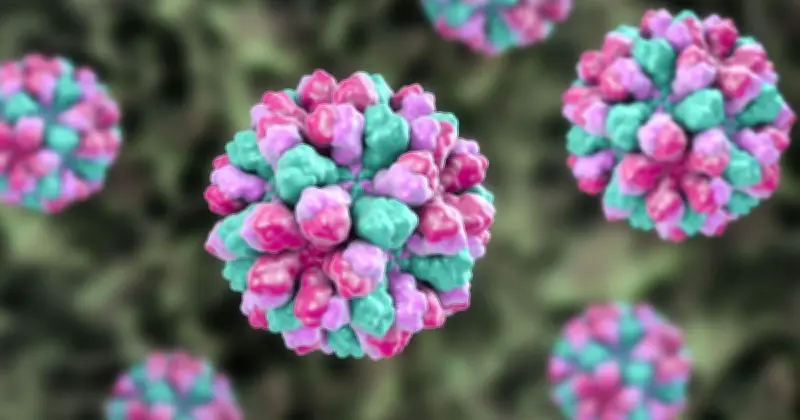
Norovirus, also called the winter vomiting bug, is a stomach bug that causes vomiting and diarrhoea. It can be very unpleasant, but usually gets better in about two days. It typically begins suddenly, with the most common symptoms including nausea, vomiting and diarrhoea. People may also develop a high temperature, headaches, stomach cramps, and general aches and pains.
Hospital response
Frances Robertson, a nurse and AHP director/chief operating officer at NHS Western Isles, said: "Our priority is to protect patients, residents and staff and to minimise the spread of infection within our healthcare settings. We appreciate the public’s understanding and cooperation while these restrictions remain in place."
Robertson added: "If you have symptoms of norovirus, please stay at home, rest, keep well hydrated and avoid visiting hospitals, care homes or other healthcare settings until at least 48 hours after your symptoms have completely stopped."
Spread and statistics
The highly contagious virus is often referred to as the winter vomiting bug because outbreaks are more common during the colder months, although infections can occur at any time of the year. Symptoms usually develop rapidly and can spread easily through close contact with infected individuals, contaminated surfaces, or food and drink.
According to the UKHSA, there were 396 cases confirmed in England in the four weeks to September 20, which is 36.9 per cent higher than the average seen at this time of year. According to the NHS, norovirus can spread to others very easily, through close contact with someone with norovirus, touching surfaces or objects that have the virus on them and then touching your mouth, eating food that's been prepared or handled by someone with norovirus, or drinking unclean water or infected food.