Cases of norovirus, commonly known as the winter vomiting bug, have increased over recent weeks, according to the UK Health Security Agency (UKHSA). The agency has advised people suffering from the illness to stay at home to avoid spreading it to others.
Rising Cases and Symptoms
The UKHSA issues weekly updates on a range of viruses including covid-19, influenza and norovirus. The latest update warns that norovirus infections are on the rise. Norovirus is a stomach bug that causes vomiting and diarrhoea, and while it can be very unpleasant, the NHS advises that it usually gets better in around two days.
According to the UKHSA, norovirus infections peak in the colder months, making it most prevalent during winter. People can catch norovirus more than once in a short time period because multiple types of the virus circulate at any given time. Individuals may develop limited immunity to one strain but can still be infected by a different one soon after.
Stay at Home Advice
The UKHSA advises people who are suffering from norovirus to "stay at home" while they are poorly, and to avoid going to school, work or nursery for a further two days after the last time they vomited or had diarrhoea. For most people, norovirus is an unpleasant but short-lived illness, with full recovery within three days.
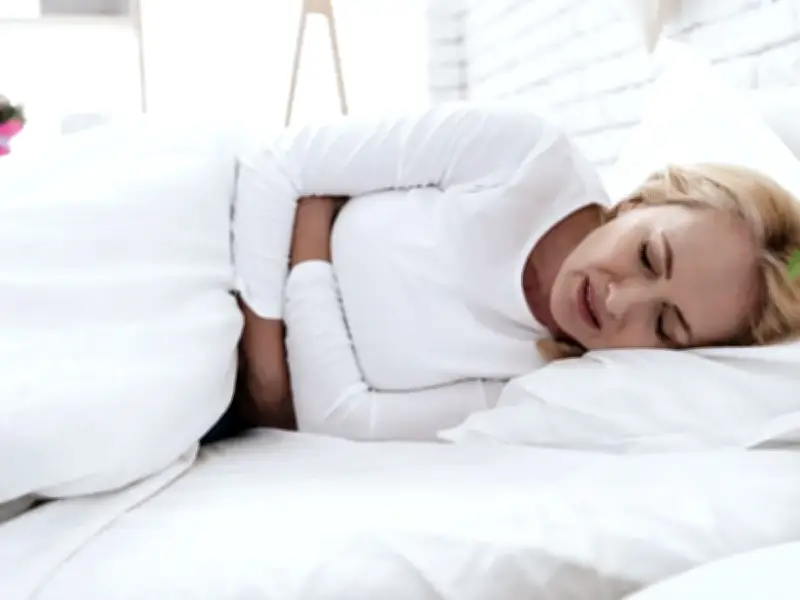
The main symptoms of norovirus usually start suddenly and may include feeling sick, being sick (vomiting) and diarrhoea. Other symptoms may include a high temperature, a headache, tummy pain and body aches and pains.
Treatment and Prevention
Norovirus can be treated at home, and the NHS recommends the following seven things: stay at home and get plenty of rest; drink lots of fluids, such as water or squash – take small sips if you feel sick; carry on breast or bottle feeding your baby – if they're being sick, try giving small feeds more often than usual; give babies on formula or solid foods small sips of water between feeds; eat when you feel able to – it may help to avoid foods that are fatty or spicy; and take paracetamol if you're in discomfort – check the leaflet before giving it to your child.
To avoid the spread of norovirus, the NHS advises washing hands with soap and water after going to the toilet or changing nappies (alcohol hand gels do not kill norovirus), washing hands with soap and water before preparing, serving or eating food, washing clothes and bedding that has poo or vomit on it on a 60C wash and separately from other laundry, cleaning toilet seats, flush handles, taps and bathroom door handles, and avoiding contact with others as much as possible.