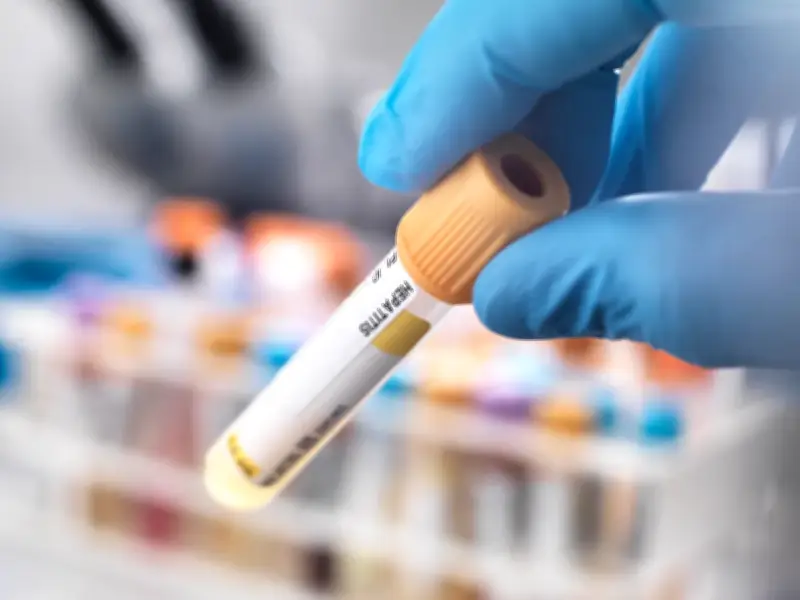
Public health officials have confirmed there have been no further hepatitis A cases in Newcastle after two children at primary schools in the city were diagnosed with the illness last week. The cases are not believed to be linked or to have been transmitted at the schools, which were Benton Park Primary and Central Walker Church of England Primary.
UKHSA response and letters to parents
The UK Health Security Agency sent letters to parents and carers at the affected schools last week. The letters included information about hepatitis A and guidance to ensure the risk of spreading the illness remains low. The agency confirmed there had been no change in the situation over the weekend.
Hepatitis A is a notifiable disease, meaning that if a medical professional suspects a case, they must notify public health officials. In this case, the UKHSA's North East health protection team was notified, allowing it to "take prompt public health action to prevent and control infections," according to the agency.
Health protection consultant's statement
Last week, health protection consultant Jonathan Lawler said: "We are working with both schools and other relevant partners to ensure all necessary public health actions are carried out. Hepatitis A is a viral infection that affects the liver. The virus is usually acquired by eating food or drinking water that has been contaminated with the virus and also can be spread from person to person.
"Hepatitis A is present in the faeces (poo) of an infected person and can be passed to others if the ill person accidentally contaminates another person, food, water or the bathroom, toilet or towels, as a result of poor hand washing. The infection can then be picked up on other people's hands and transferred to their mouth.
"The schools are working with partners and following health protection advice to increase hygiene measures to prevent transmission."
Formal guidance and actions taken
The actions taken by health protection teams in relation to hepatitis A cases are set out in publicly available guidance. Any suspected case must be reported by telephone "within 24 hours," UKHSA says, "to discuss actions to protect public health."
For all confirmed and probable cases, the formal guidance states: "Attempts to confirm a probable case should always be made; however, for probable cases, postexposure immunisation should not be delayed among close contacts in the household setting. If public health action is likely to extend beyond the household setting, for example, immunisation in a school, then confirmation should be obtained before that intervention."
Once a case is reported, measures can include a risk assessment and "exclusion from work, school or nursery" for the index case, lasting "until 7 days" after the beginning of jaundice or similar symptoms. Work will also identify and protect close contacts. Those exposed within 14 days could be offered vaccinations if healthy and aged between one and 59. Older or vulnerable individuals would additionally be offered blood plasma treatment.
For children under one, close contacts are those who look after the child, such as during nappy-changing, and would be offered a vaccine. Infants older than two months attending childcare would also be offered a vaccine. In all cases, "high hygiene standards" must be "reinforced" in settings like nurseries and schools.
For primary school cases, as in the two reported last week, the necessary actions depend on whether the source of infection has been identified. If not confirmed to be outside the school, public health bosses are advised to assume it was inside. They could then offer a vaccine to a classroom group, year group, or wider population.