The NHS has issued a new warning that a change in a person's smile could be a key sign of a stroke, urging people to call 999 immediately at the first sign of any symptom. The alert follows new data showing the average time between the onset of first symptoms and a 999 call being made was nearly an hour and a half.
In a new post on X, the UK's health service said people may dismiss the first signs of a stroke, but it could be life changing if not caught in time. The post stated: "The first sign of a stroke might not seem like much, like not being able to raise your arm. Or struggling to smile. Or slurring when you speak. Any sign of a stroke is always an emergency. Face or arm or speech, at the first sign, it's time to call 999."
New data on delayed 999 calls
New analysis of NHS data shows that for 2023-24, of 41,327 patients with a recorded time of symptom onset, the average time between first symptom and a 999 call being made was 88 minutes.
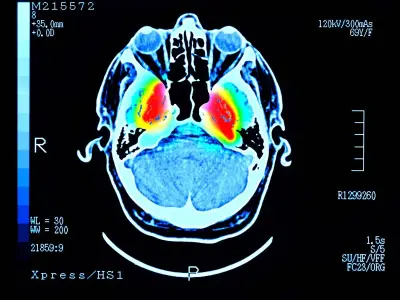
A stroke is a life-threatening medical emergency that happens when blood flow to part of the brain is blocked or reduced, or when a blood vessel in the brain bursts and bleeds. Without oxygen-rich blood, brain cells begin to die within minutes, which can affect movement, speech, thinking, and other body functions.
The FAST test for stroke signs
You can check for common stroke signs using the NHS FAST test:
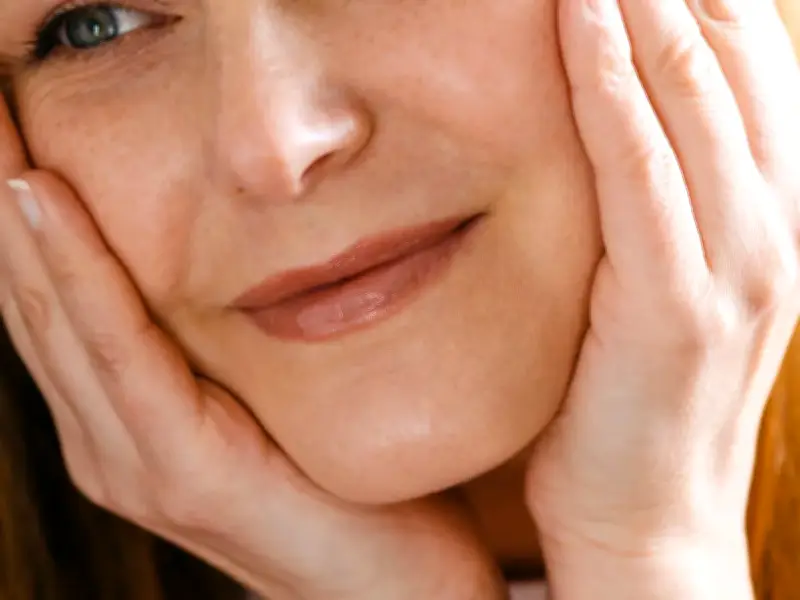
- Face: One side of the face may droop or feel numb, making it hard to smile.
- Arms: Weakness or numbness in an arm may make it hard to raise both arms and keep them lifted.
- Speech: Speech may be slurred, garbled, or hard to understand, or the person may struggle to find words.
- Time: Call 999 immediately at the first sign of any symptom. Note when symptoms started.
England's top doctor has urged the public to call 999 even if the first sign of stroke doesn't seem like an emergency, and said immediate action at the first sign of a stroke "could help save and protect many more lives".
Professor Sir Stephen Powis said: "These figures highlight very clearly that we must do more to support people to recognise the symptoms of stroke in themselves and others and take action to call 999 at the earliest opportunity. Stroke symptoms can be less obvious or dramatic than you might expect, but even if it doesn't seem like it, any sign of stroke is always an emergency and it's vital you call 999 immediately.
"This campaign is so important – greater awareness of the need to act fast and dial 999 could help save and protect many more lives, as we know that earlier recognition of symptoms and immediate action to call 999 can enable faster access to specialist treatment and the best chance of reducing long-term effects of a stroke."
Stroke impact and risk factors
Around 100,000 people have a stroke each year in the UK, which occurs when the blood supply to part of the brain is cut off. Without prompt treatment a stroke can result in death or long-term disabilities such as paralysis, memory loss and communication problems.
While more people are now surviving a stroke than ever before thanks to advances in NHS care, strokes remain the fourth single leading cause of death in the UK, with 38,000 stroke-related deaths each year.
A stroke can happen to anyone at any age, but those at increased risk include people aged over 50 years old, people from a Black or South Asian background, or those living with existing conditions such as high blood pressure, diabetes or sickle cell disease.
Dr David Hargroves, NHS national clinical director for stroke and consultant stroke physician, said: "When someone has a stroke, it's estimated they may lose around two million brain cells a minute, which is why rapid diagnosis and treatment is critical – the first sign of a stroke might not seem like much, but face or arm or speech, at the first sign it's time to call 999.
"Thanks to greater awareness of the symptoms and advances in NHS care, more people are now surviving a stroke than ever before, but there is much more to do help save lives and reduce the long-term impact of strokes. Acting FAST remains vital – whether it is a friend, loved one or even a passer-by, dialling 999 quickly saves lives."