
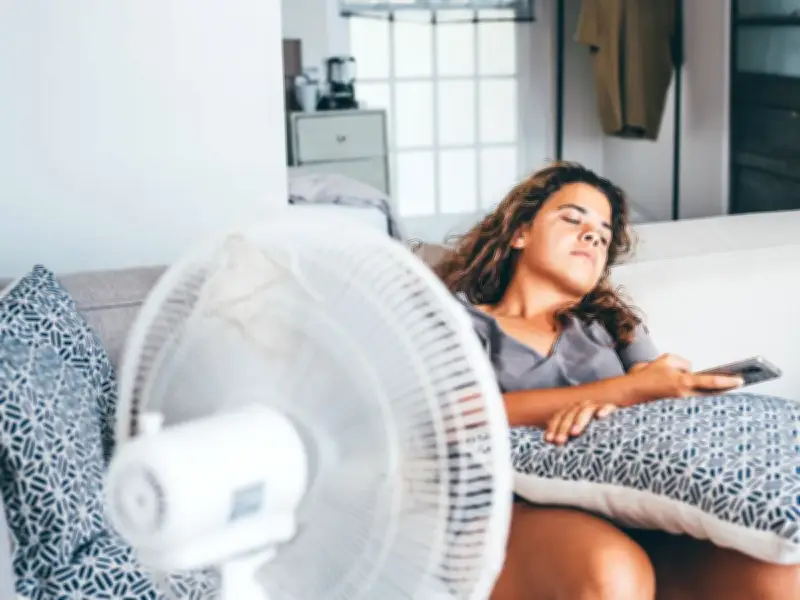
The NHS has issued a warning to people using electric fans to cool down during the current heatwave: avoid pointing them directly at yourself. The health service says this can lead to dehydration, a condition that in severe cases may require hospital treatment.
The warning comes as the UK experiences intense heat, with the Met Office confirming that temperatures reached 38.1°C in Kew Gardens, London, on August 13. This narrowly beats the previous record of 38°C set in Norfolk on June 26. Although temperatures are expected to cool down to the low 20s in parts of the UK, many people are likely to keep their fans on.
NHS advice on staying cool
In a post online, the NHS advises: "If you can, use electric fans, but don’t point them directly at yourself as this can cause dehydration." The health service also recommends closing blinds and curtains that face the sun during the day, switching off lights and electrical equipment not in use, cooking at cooler times of the day, and opening windows only when the air outside feels cooler than inside "to help create some airflow."
Why fans cause dehydration
Electric fans speed up the evaporation of moisture from your skin and eyes by moving the air quickly. This cooling process removes sweat so fast that your body loses water without you noticing it, leading to dry skin and mild dehydration if the air is very dry.
Warning signs of spending too long in front of a fan include dry or tight skin, chapped lips, unusual thirst, mild headache, and muscle cramps. Some people may also notice their eyes feel "gritty" or look bloodshot, or develop a raspy throat or persistent dry cough.
How to use fans safely
To limit symptoms while still staying cool, set the fan to rotate so the air moves around rather than hitting one spot. Keep the fan at least three feet away, have a glass of water nearby, and sip it regularly to replace lost fluids.
For more information about managing dehydration risks, the NHS has advice on how to reduce the risk of dehydration for yourself or others, and what to do in an emergency.




