
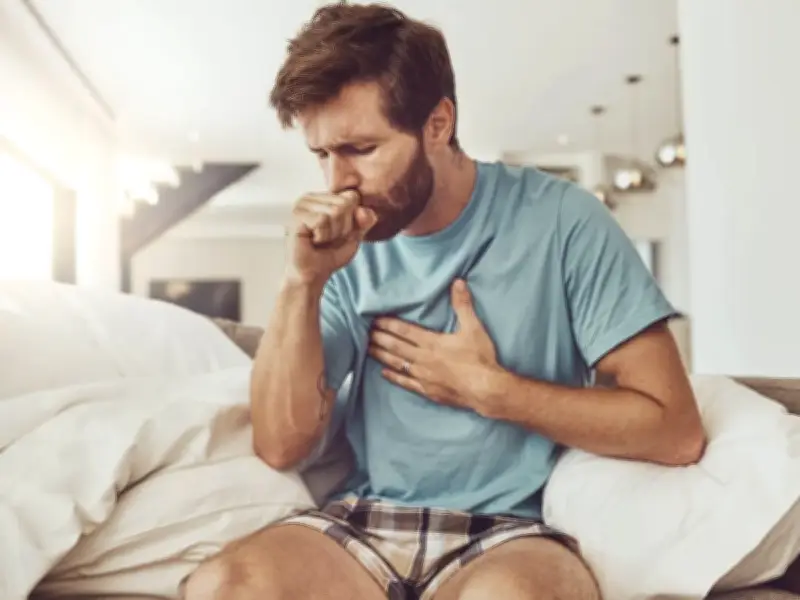
The NHS has urged people to contact their GP if they notice certain coughing symptoms that could indicate lung cancer. The advice was shared in an Instagram post to mark World Lung Cancer Day and has renewed relevance following the death of Dame Esther Rantzen from the disease this week.
Three key coughing symptoms to watch
The health service highlighted a cough lasting three weeks or more, a persistent cough that worsens over time, and coughing up blood as warning signs. Recurrent chest infections were also listed among the symptoms to monitor.
The post stated: "If you notice any of these signs and symptoms, contact your GP. It could be nothing serious, but early diagnosis and treatment of cancer can save lives."
Dame Esther Rantzen's death
The journalist and television presenter, 86, died in the New Forest, England, on 30 September 2026. She was diagnosed in January 2023, and her cancer later progressed to stage four.
Other symptoms highlighted by the NHS include pain or discomfort when breathing or coughing, persistent breathlessness or fatigue, and a loss of appetite or unexplained weight loss.
Lung cancer statistics in the UK
Between 33,000 and 35,000 people in the UK die from lung cancer each year. According to Cancer Research UK, lung cancer remains the biggest cause of cancer-related deaths in the UK, accounting for around 21% - or 1 in 5 - of all cancer deaths.
This amounts to approximately 90 people dying from the disease every single day across the UK. Between 48,000 and 50,000 new lung cancer cases are identified throughout the UK each year.
Screening programme details
According to Cancer Research UK, around 79% of lung cancer cases could be prevented, with smoking continuing to be the leading risk factor.
The UK employs a Targeted Lung Health Check (TLHC) model rather than a universal population-wide screening system. Current eligibility covers individuals aged 55 to 74 who are registered with a GP and are current or former smokers.
A nurse or healthcare professional conducts a telephone or face-to-face risk assessment, enquiring about medical history, lifestyle factors, and respiratory symptoms. Those deemed high risk are invited for a low-dose CT scan, frequently carried out in mobile community units or local hospitals. Results are received within four weeks, and abnormalities or nodules lead to additional tests or prompt specialist referrals.
The rollout across NHS England is advancing steadily, with comparable targeted screening programmes being introduced throughout Scotland, Wales, and Northern Ireland.




