
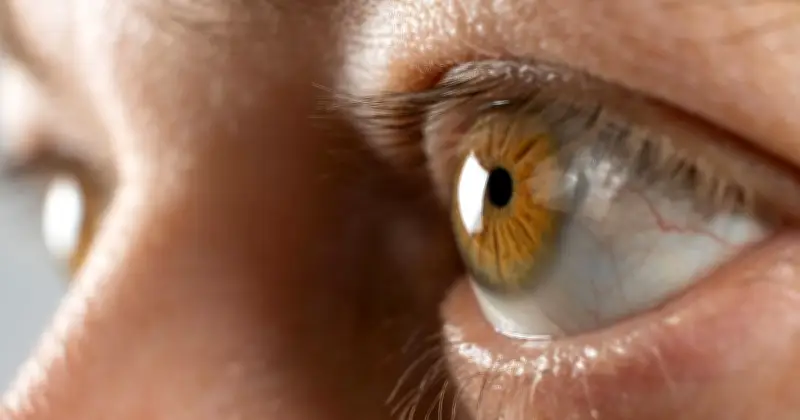
The NHS has published guidance on its website for anyone concerned about changes to their vision, following the solar eclipse. The health service says dots and lines (floaters) or flashes of light in the vision are common and usually not serious.
Flashes and floaters can be caused by a range of things, but they are often a normal change that happens as you get older. The health service explains that lots of people, particularly older people, get floaters and flashes, usually caused by a harmless process called posterior vitreous detachment (PVD), where the gel inside the eyes changes.
When floaters and flashes can be serious
Sometimes they can be caused by retinal detachment, which is serious and can lead to permanent vision loss if not treated. Floaters and flashes can also happen for no obvious reason.
Floaters in your vision can look like rings, cobwebs, small dark dots, or squiggly lines. Flashes look like sudden flashes of light. They are usually harmless and not a sign of anything serious, especially if they are not getting worse, your vision is not affected, or you have had them for a long time. Flashes may eventually stop, and floaters often become less noticeable as you get used to them.
When to seek urgent help
You may need to contact 111 or your optician if you also have blurred vision, if you have floaters or flashes in your vision for the first time, if floaters start after eye surgery or an eye injury, if the number of floaters or flashes suddenly increases, if you also have eye pain, if you have a dark curtain or shadow moving across your vision, or if you suddenly get floaters or flashes in your vision.
The NHS explains these could be signs of a serious problem with the back of your eye, which could permanently affect your vision if it is not treated quickly. You can call 111 or get help from 111 online.
What happens at the optician
If you notice floaters or flashes in your vision, an optician can examine your eyes and determine whether you need to be referred to an ophthalmologist for further testing or treatment. Most people only need treatment if there is an underlying problem that could affect their eyesight.




