The NHS has highlighted headaches and hair loss as two symptoms of iron deficiency anaemia that can affect the head. Iron is essential for producing red blood cells, which carry oxygen around the body, and a lack of it can lead to the condition, most commonly triggered by blood loss or pregnancy.
Recognising the Symptoms
Well-known signs of iron deficiency anaemia include tiredness and low energy, shortness of breath, heart palpitations and unusually pale skin. Lesser-known symptoms include tinnitus, itchiness, a sore tongue, changes in the taste of food, cravings for non-food items such as paper or ice, changes to nails, mouth ulcers at the corners, and trouble swallowing.
If you think you may have iron deficiency anaemia, it is important to speak to your GP. Your doctor will ask about your lifestyle and medical history, and will usually carry out a blood test to determine whether your red blood cell count falls within the normal range.
Diagnosis and Treatment
This is known as a full blood count (FBC) test, which also checks other types of cells in your blood. Iron deficiency anaemia is the most common form of anaemia. Other types exist, including vitamin B12 or folate deficiency anaemia, which the blood test will also screen for at the same time.
Once the underlying cause of your iron deficiency anaemia has been identified - such as an ulcer or heavy periods - your GP will recommend an appropriate course of treatment. If blood tests show a low red blood cell count, you'll probably be recommended to take iron tablets to restore the depleted iron in your system.
Dietary Advice
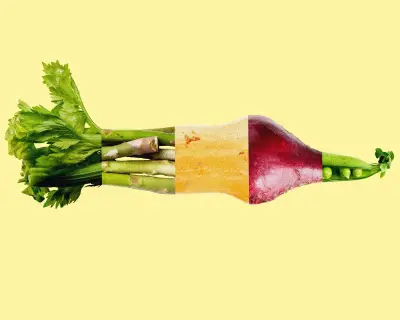
The following foods and drinks are suggested to increase your iron intake: dark-green leafy vegetables like watercress and curly kale, cereals and bread with extra iron in them (fortified), meat, dried fruit like apricots, prunes and raisins, and pulses (beans, peas and lentils).
Cutting down on these foods and drinks can also be beneficial: tea, coffee, milk and dairy, and foods with high levels of phytic acid, such as wholegrain cereals, which can stop your body absorbing iron from other foods and pills.