
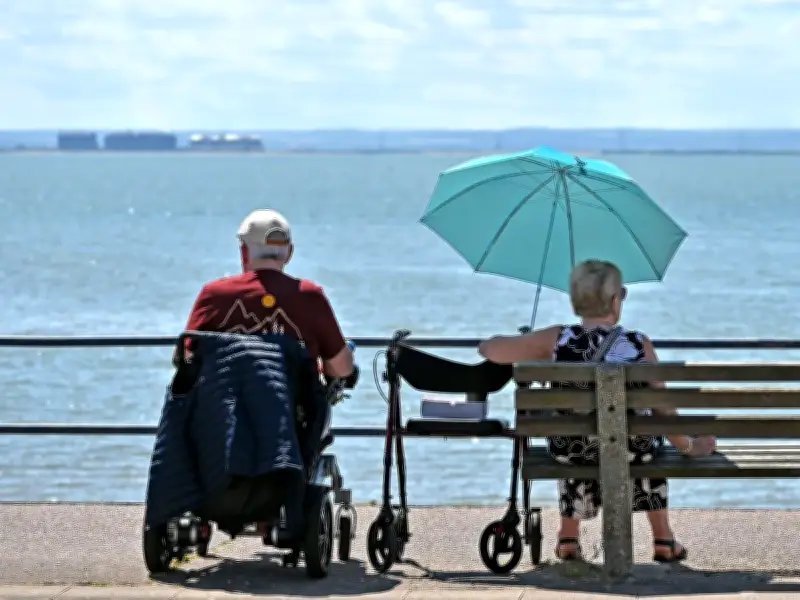
Health Secretary Yvette Cooper has told the NHS to start drawing up summer plans for heatwaves, in the same way it prepares for winter crises, to protect the frail and vulnerable. The move comes as data shows around 2,800 lives were lost because of extreme heat during the May and June heatwaves.
Summer planning ordered
Writing for The Mirror, Ms Cooper said the extreme heat makes things "much more difficult" for those in care and their carers. She said the NHS is used to gearing up for pressures in winter, but "we are going to need the same level of preparation in future summers". She has told the NHS to start drawing up summer plans now, as it traditionally does for winter.
Ms Cooper said the same people are at risk in extreme heat as in extreme cold: older people, the youngest children, and people with existing conditions. This means effective planning in emergency care, hospitals and care homes, especially for the frail and vulnerable.
Heat-related deaths
Latest data shows around 2,800 lives were lost because of extreme heat during the May and June heatwaves, with 2026 on track to see the highest ever number of heat-related deaths. Around 60% of the excess deaths were of people aged 85 and over, according to analysis by Imperial University.
Ms Cooper added that £6.75 billion is already being invested to improve NHS buildings, including better cooling.
Care sector concerns
Dennis Reed, director of Silver Voices, which represents senior UK citizens, called for heatwaves to be treated with the same vigour as extreme cold. He said older bodies cannot regulate heat as well as the young, and many are dying of heat-induced complications from chronic conditions or dehydration. He said this should be treated as a national emergency.
Mr Reed said some members cannot afford to run fans because of energy prices, and there should be a cold homes allowance for pensioners. He also noted most care homes do not have air conditioning and can act like furnaces, and said the Care Quality Commission should pick up preparations for heatwaves when inspecting care homes.
Nadra Ahmed, co-chair of the National Care Association, said it has not been the "norm" for care homes to have air conditioning unless newer purpose-built. She said care homes have been trying to purchase air conditioning units, but availability has been an issue. She said providers have been investing in cooling packs and cold wet flannels to try to make life as comfortable as possible.
Ms Ahmed said she was more concerned about people living alone who receive home care visits of only 15 or 20 minutes, as windows cannot be left open in the evening due to security risks.
Health experts' warnings
Dr Deb Gompertz, from the British Geriatrics Society, said heat is the most dangerous climate-related threat to life in the UK, and older people are most likely to die because of extreme heat. She said the vast majority of hospitals in England are vulnerable to overheating, and steps need to be taken at a system level to adapt NHS and social care facilities to climate change.
Age UK urges people to check on neighbours or relatives who live alone and are frail or have health issues. It recommends older people stay inside during the hottest part of the day and keep curtains and blinds closed in rooms that catch the sun.
Chris Badger, Chief Inspector of Adult Social Care at the Care Quality Commission, said providers are required to ensure premises and environmental conditions support safe care, and if they are not meeting this requirement, regulatory action can be taken.




