
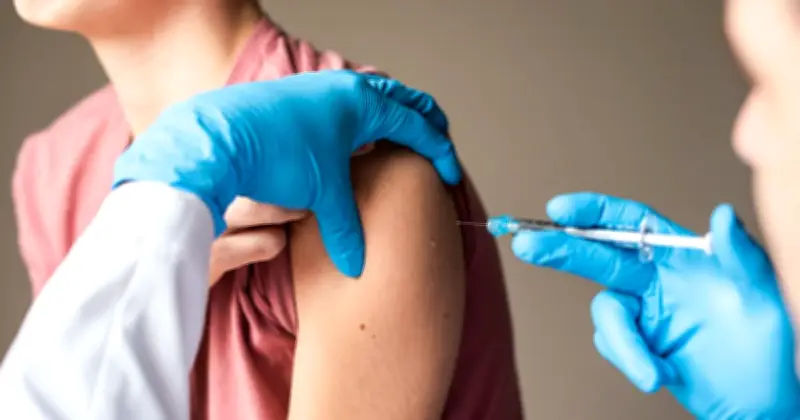
A pharmacy leader has branded the NHS rollout of a meningitis B vaccine catch-up programme a “shambles” after some stores were forced to turn patients away due to supply problems. A snapshot survey of 380 chemists in England by the National Pharmacy Association (NPA) found only one third had sufficient stock to start administering the jab on Monday. A further 28% had started vaccinations but been forced to postpone or reschedule appointments later in the week due to supply delays. Some 31% were not running any appointments because stock had not been delivered in time.
Independent pharmacies report similar issues
The Independent Pharmacies Association (IPA), which represents thousands of privately owned, family-run community pharmacies, said its members had also reported supply problems. Dr Leyla Hannbeck, IPA chief executive, said: “Unfortunately, in many areas of the country vaccines are not coming through, so a lot of people have had to cancel the appointments. It's turned into a mess.”
The one-off catch-up programme launched on Monday offers the jabs to Year 13 students and young people preparing to enter full-time residential education. It was announced after outbreaks in Reading and Kent earlier this year killed three young people. Eligible Year 13 pupils can book using the NHS online system, but others must walk in or contact chemists directly.
Pharmacists frustrated by logistics
Dr Hannbeck said she and other sector leaders had campaigned for the rollout, but the situation was a “shambles”. She warned that if problems persist, they could impact the “short window” available for people to have two doses this autumn. Dr Hannbeck added: “We pharmacists have been put in a position where we are having to turn patients away and it makes us look bad. We want to make a success out of it but, unfortunately, we are completely reliant on how NHS England handles the logistics.” She urged patients not to be “put off” if they are eligible, adding: “We'll do everything we can for you to get vaccinated, but please understand that a lot of it is out of our control.”
Teething problems acknowledged
Ashley Cohen, an NPA board member, told BBC Breakfast there were “teething problems” but there would be enough time for young people to get protected. He added: “This has evolved at pace and the Government have wanted to capture those going off to university now. I’m hearing from many pharmacies across the country that they have got not enough vaccines, more appointments. There will be some teething problems where the vaccine isn’t in the right place at the right time, but bear with us. It’s really important because although it launches today, you don’t have to get the vaccine today or tomorrow. There is plenty of time.”
Mr Cohen added that pharmacies had been given just weeks to prepare. He said: “It will take another couple of weeks, I think, to get the volume of vaccines in the pharmacies at the right time. It has been nationally procured so pharmacies aren’t ordering this themselves. We at the coalface, at the frontline, are having to manage our appointments through the National Booking System with the vaccines that are being delivered on a weekly basis.”
NHS defends rollout
The NHS understands there are examples of pharmacies not ordering enough vaccines or not ordering in time and then overbooking appointments. An NHS spokesperson said: “This programme has seen an incredible response, with more than 8,000 high-street pharmacies signing up in just four weeks to help us deliver this life-saving vaccine for young people. The NHS has plenty of stock available and is working closely with pharmacies to roll this out quickly. There are tens of thousands of vaccine appointments available every day, so we’d encourage all eligible young people to come forward and book now to protect themselves, particularly for anyone starting university in September.”
Future vaccination recommendations
The Joint Committee on Vaccination and Immunisation (JCVI), which advises the Government, recommended last week that all teenagers should be routinely vaccinated against meningitis B. Experts concluded that youngsters who had the jab as a baby should receive a booster aged 15. They also strongly supported offering two doses to adolescents born on or before 30 April 2015, before infant vaccinations started. The Department of Health and Social Care will consider the advice before making a final decision.




