As flu cases rise during the cold weather, the Royal Free London hospital has issued four key steps for treating symptoms at home: rest, take paracetamol, drink plenty of water and speak to a pharmacist if things get worse.
The guidance was shared on Instagram, where the hospital wrote: "Got flu symptoms? Try these to help treat yourself at home. Rest. Take paracetamol. Drink plenty of water and speak to a pharmacist if things get worse."
The NHS hospital also noted that flu will frequently improve on its own, but it can make some individuals seriously unwell.
Why flu spreads in winter
With cold weather here to stay, the NHS urged people to look after themselves if they have any symptoms. The advice follows earlier guidance issued for people living with chronic obstructive pulmonary disease (COPD).
As winter approaches with hectic Christmas plans looming, illnesses are likely to increase with more time spent indoors. Infections are expected to surge since flu transmits readily in confined spaces and flourishes in cold, dry conditions.
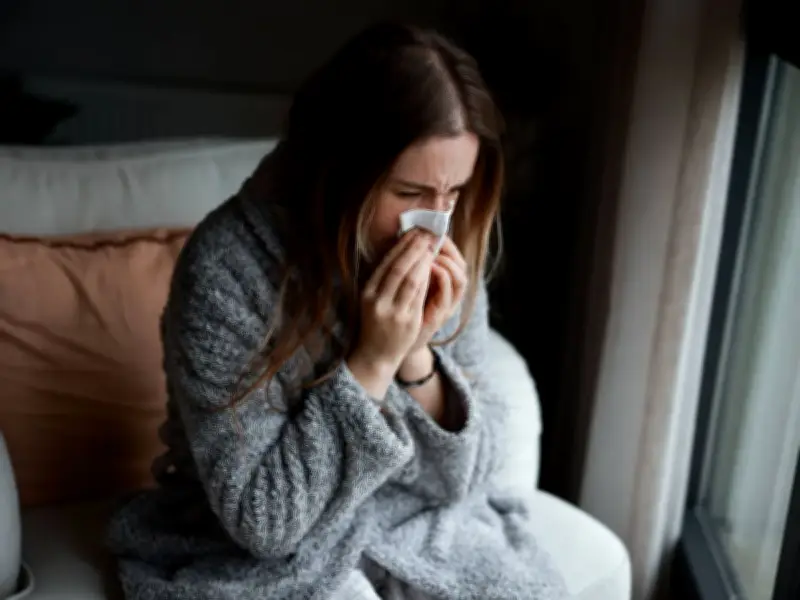
Symptoms of flu include a sudden high temperature, aching body, dry cough, sore throat and loss of appetite.
How to prevent the flu
Essential measures to avoid the virus include receiving the annual flu vaccine, described as the single most important and effective method to safeguard yourself during autumn and winter. In the UK, the flu jab is updated annually to match circulating strains, helping to reduce both the risk of contracting the virus and the severity of illness should you fall ill.
Practising good hygiene is equally vital — wash your hands regularly with soap for at least 20 seconds. As germs from surfaces can easily transfer to your hands, it is advisable to avoid touching your face.
If someone around you is feeling unwell, it is essential to maintain your distance and steer clear of anyone displaying respiratory symptoms or a fever. Another key measure is to regularly clean and sanitise frequently-touched items such as door handles, phones, keyboards and shared household surfaces.
You can further support your immune system by getting seven to eight hours of sleep each night, maintaining a balanced diet, staying well hydrated and managing stress levels.
Treating symptoms at home
Drinking plenty of water is important to prevent dehydration. For children, paracetamol or ibuprofen can be administered if they are distressed or uncomfortable, but always check the packaging to confirm it is suitable for their age.
Consult a pharmacist or GP if you are unsure and never give aspirin to children under the age of 16. You can seek additional advice from the NHS by calling the 111 helpline.