
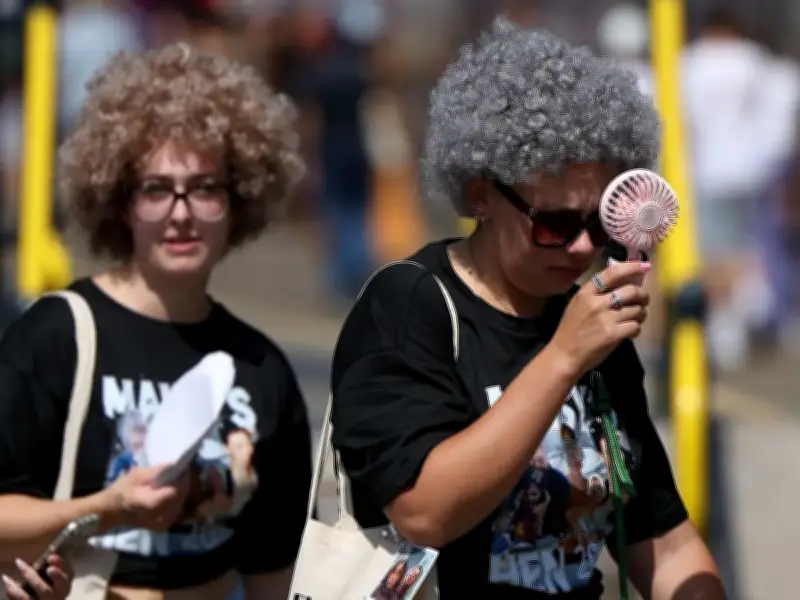
The NHS in Greater Manchester has issued urgent advice to residents as an amber extreme heat warning takes effect across the North West from today (August 13) until Friday. With temperatures forecast to reach 38C in some areas, health officials are urging people to take simple precautions to stay safe.
Amber warning in place
The amber warning covers parts of the North West, including Knutsford, Congleton and Cheadle, and extends to the southern fringes of Greater Manchester. Met Office chief forecaster Chris Bulmer said: “While the peak heat will be more short-lived than recent heatwaves, temperatures widely into the mid-30s Celsius on Thursday brings the potential for impacts for some, which is why a Met Office warning has been issued.”
Although some may enjoy the hot weather, heat can lead to dehydration, heat exhaustion and even heatstroke. Existing conditions such as heart problems, breathing difficulties and other serious illnesses can also be exacerbated.
Who is most at risk
Those most vulnerable include older people aged 65 and over, babies and children under five, pregnant women, people with long-term health conditions, those taking certain medicines, people who live alone, people experiencing homelessness, and anyone who works or spends long periods outside.
NHS Greater Manchester is asking people to drink plenty of fluids and avoid too much alcohol, keep out of the sun between 11am and 3pm, keep homes cool by closing curtains and windows in sun-facing rooms and opening them later when it is cooler, check on older relatives and neighbours, and continue taking prescribed medicines, checking whether they need to be stored below 25°C or in the fridge.
Recognising heat-related illness
People are also urged to know the signs of heat exhaustion, which include dizziness, headache, nausea, excessive sweating, cramps and feeling very thirsty. If someone does not improve within 30 minutes after being cooled down and given fluids, or if they develop signs of heatstroke such as confusion, fast breathing, hot skin without sweating, a seizure or loss of consciousness, it is a medical emergency and 999 should be called.
For non-emergency help and advice, people should contact their local pharmacy or use NHS 111 online. Parents and carers of children under five who need urgent advice should call 111.
Dr Manisha Kumar, Chief Clinical Officer for NHS Greater Manchester, said: “Hot weather can affect people’s health far more quickly than many realise, especially older people, babies and young children, pregnant women, and anyone living with heart, lung or other long-term conditions. This is not just about feeling uncomfortable in the heat. High temperatures can lead to dehydration, heat exhaustion and, in some cases, heatstroke, which is a medical emergency. We are asking people across Greater Manchester to look out for family members, friends and neighbours who may be more at risk, and to act early if someone starts to feel unwell. If you need non-emergency advice, your local pharmacy or NHS 111 can help. If someone shows signs of heatstroke, call 999 immediately.”




