
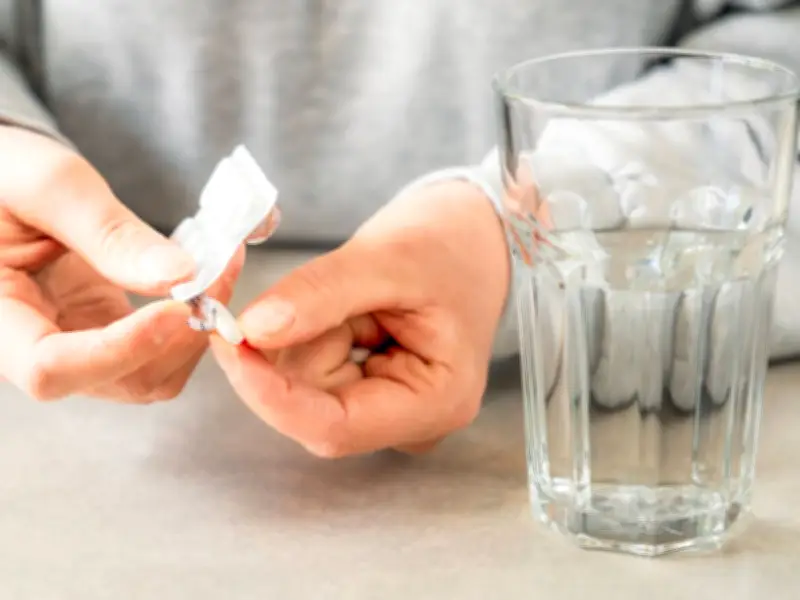
The NHS has issued a warning to millions of people taking certain medications, urging extra precautions if they plan to drive. According to the Met Office, approximately 10 million people in England suffer from hay fever, an allergic reaction to pollen that often worsens during the summer months of June and July. Antihistamines are commonly used to manage symptoms, but some can cause drowsiness, impairing the ability to drive safely.
Drowsy Antihistamines to Avoid Before Driving
The NHS lists several antihistamines that may cause drowsiness, including chlorphenamine (Piriton), cinnarizine, diphenhydramine, hydroxyzine, and promethazine. These are known as sedating antihistamines. In contrast, non-drowsy options such as acrivastine, cetirizine, fexofenadine, and loratadine are less likely to cause sleepiness.
Choosing the Right Antihistamine
Antihistamines come in various forms, including tablets, capsules, liquids, syrups, creams, lotions, gels, eye drops, and nasal sprays. The NHS states there is little evidence that any one antihistamine works better than another, as individual reactions vary. It advises: "Non-drowsy antihistamines are generally the best option, as they're less likely to make you feel sleepy. But types that make you feel sleepy may be better if your symptoms stop you sleeping." The NHS recommends consulting a pharmacist for guidance, as not all antihistamines are suitable for everyone.
NHS 'Do Not' Warning for Driving
The NHS explicitly advises against driving if you take antihistamines or any medicine that causes drowsiness. For chlorphenamine (Piriton), it notes: "Do not drive a car or ride a bike if it makes you sleepy or dizzy or you get blurred vision." It also warns against alcohol consumption while taking chlorphenamine, as alcohol may increase drowsiness. Similarly, for diphenhydramine, the NHS states common side effects include feeling sleepy, dizzy, or unsteady, and advises: "Do not drive or ride a bike if it makes you feel sleepy or dizzy. Do not drink alcohol while taking diphenhydramine. Alcohol increases the risk of side effects."
Everyone reacts differently to medication. Always consult a doctor for advice if you are concerned.




