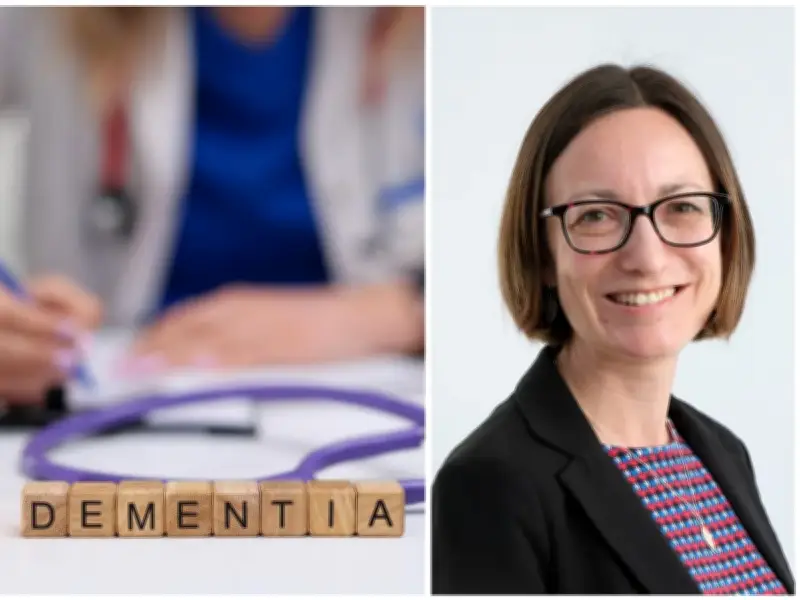
A leading North East NHS consultant has highlighted the importance of making key lifestyle changes including stopping smoking as early as possible to protect against the onset of dementia. Dr Charlotte Deasy is a consultant psychiatrist at the Cumbria, Northumberland, Tyne and Wear NHS Trust specialising in old age care.
She spoke to ChronicleLive about new research - published in the medical journal Neurology - which has found how not smoking, having blood pressure within a normal range, and not having type 2 diabetes can prevent the onset of dementia by an average of 13 years.
Three combined elements
Dr Deasy said: "We know now that there are 14 risk factors that making dementia more likely - and smoking is one of them. The important thing in the recent research is that it shows again that you need to stop smoking in mid-life, say by the age of 45 to 65, if you are to see the benefit of having done so later."

"It's really clear that this can make difference. What this study shows is the benefit of if you can tackle those three combined elements. But the fortunate thing is that they are all things that you can start to address. And of course the three things themselves can be linked - and some of the solutions are the same."
"Have a good diet, take exercise, stop smoking. It's about living a healthy lifestyle and making reasonable changes to do that."
Smoking and the brain
Dr Deasy said that while people understand the connection between smoking and illnesses affecting our heart and lungs - this isn't always the case when it comes to the brain. Smoking, she explained, can damage the brain in several ways.
This could be through damage to the heart or blood vessels which then restricts bloodflow to the brain - or it could be due to the fact that chemicals inhaled through cigarette smoke can pass through the "blood-brain barrier" and literally kill off brain cells and neurons.
Dr Deasy added: "People know that smoking damages your heart and lungs - but less so that smoking has a very real impact on your brain. I don't think people at this younger age are necessarily thinking about the fact that they need to be stopping in their 40s."
Support and treatment
Speaking more broadly about dementia, she added: "We do see more people coming forward at a younger age concerned about dementia. We are raising awareness about what people can do to prevent it and there's also much more support than there was previously."
"We are seeing treatments that can help people. We want for people - even those with a dementia diagnosis - to keep living as independently as they can, to keep doing the things that they enjoy, to stay connected with friends and family and to continue living their lives."
"It's that if you know what the problem is, that can help you to get the right support around you. I see patients who continue carry on doing so much - going to the gym, singing in a choir - life doesn't stop if you have a diagnosis."