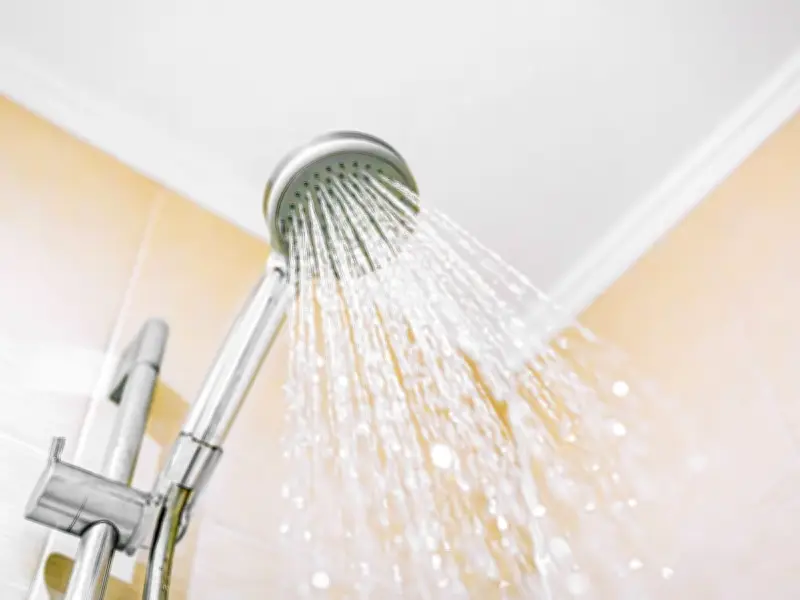
The NHS is advising millions of hay fever sufferers across England and Wales to take a second shower on Thursday, July 9, as the Met Office forecasts a major pollen surge. With temperatures rising, pollen levels are expected to reach 'very high' across most of England and the whole of Wales, triggering severe symptoms for those affected.
Hay Fever Affects Millions in the UK
Hay fever impacts roughly 16 million Brits. According to the Express, approximately 20% to 26% of adults and 10% to 15% of children experience a pollen allergy, making it one of the most prevalent ongoing health conditions nationwide. The latest Met Office forecast shows red warnings for 'very high' pollen levels covering most of England and all of Wales on Thursday.
NHS Guidance for Managing Symptoms
The NHS states that while hay fever cannot be cured, symptoms can be lessened. One key recommendation is to shower and change your outfit after being outdoors on days with high pollen counts. Rinsing in the shower removes pollen stuck to your skin and scalp before it can trigger an allergic response. By switching clothes, you can stop pollen from settling on indoor soft furnishings like sofas and rugs, drastically reducing overall allergen exposure at home.
The NHS advises avoiding baths, as the water can trap airborne pollen on its surface, potentially redepositing it back onto your skin. Showers, meanwhile, produce steam that can help unblock congested nasal passages.
Helping Others in Your Household
Even if you don't personally suffer from hay fever, you may share your home with someone who does. By following the same rule of changing and washing your clothes, you won't inadvertently undermine their efforts to avoid pollen by carrying pollen on your clothing and body.
Additional NHS Recommendations
The health service also suggests: putting petroleum jelly (such as Vaseline) around your nostrils to trap pollen; wearing wraparound sunglasses, a mask, or a wide-brimmed hat to stop pollen from getting into your nose and eyes; keeping windows and doors shut as much as possible; vacuuming regularly and dusting with a damp cloth; and using a pollen filter in your car's air vents and a HEPA filter in your vacuum cleaner.
Things to Avoid
The NHS lists several things to avoid: do not cut grass or walk on grass; do not spend too much time outside; do not keep fresh flowers in the house; do not smoke or be around smoke – it makes symptoms worse; do not dry clothes outside – they can catch pollen; and do not let pets into the house if possible – they can carry pollen indoors.
Some may find relief with antihistamines (available as drops, tablets, or nasal sprays) or steroid nasal sprays. It is worth consulting a GP if symptoms worsen or fail to improve following treatment with pharmacy medicines.