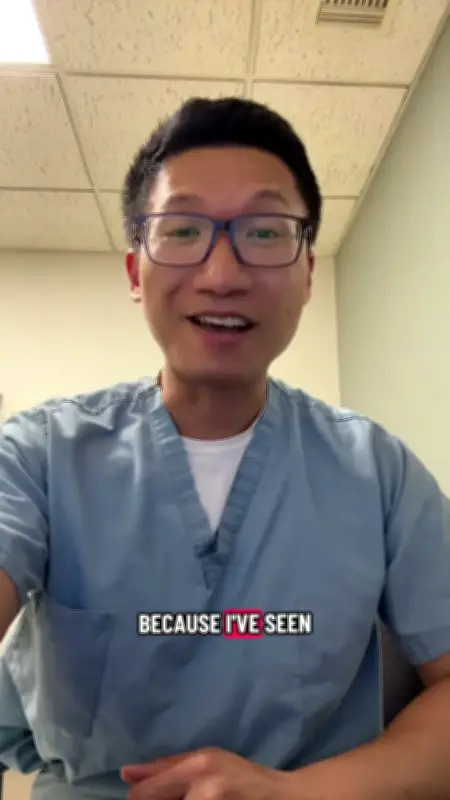
Dr Baibing Chen, a double-board-certified neurologist and epileptologist based in Michigan, has publicly shared three personal rules he follows to minimize his stroke risk. Posting online as Dr Bing, he warns that certain activities—yoga, heavy weightlifting while holding breath, and energy drink consumption—can trigger strokes in susceptible individuals.
Yoga Poses Can Cause Artery Dissection
Dr Chen advises caution with yoga, despite acknowledging its overall health benefits. He explains that poses forcing the neck into extreme hyperextension or hyperflexion can, in rare cases, lead to arterial dissection—a tear in the vessel wall that may cause a stroke. “I’ve seen strokes happen this way,” he states. He recommends staying mindful of neck position and avoiding extreme strain during practice.
Heavy Lifting and the Valsalva Manoeuvre
Regarding gym workouts, Dr Chen warns against attempting a one-rep max or lifting heavy weights while holding one’s breath. This Valsalva manoeuvre can spike systolic blood pressure to extreme levels—sometimes exceeding 400 mmHg—placing massive force on brain blood vessels. “I have seen this trigger brain bleeds,” he notes. He advises using submaximal weights with controlled breathing, exhaling during exertion, and opting for higher repetitions to build strength safely.
Energy Drinks Disrupt Heart Rhythms
Dr Chen also avoids energy drinks, sticking instead to simple coffee in the morning. He highlights that many energy drinks contain very high caffeine content, sometimes exceeding the recommended daily limit for adults, along with additional stimulants like guarana (another caffeine source) and taurine. This combination can disrupt blood vessel regulation and increase the risk of dangerous heart rhythms. Irregular rhythms can form clots, which may travel to the brain and cause a stroke. He adds that he has also seen nerve damage from excessive vitamin B in these drinks.
Dr Chen completed his medical degree at Oakland University William Beaumont School of Medicine, residency at the Mayo Clinic, and an epilepsy fellowship at the University of Michigan.