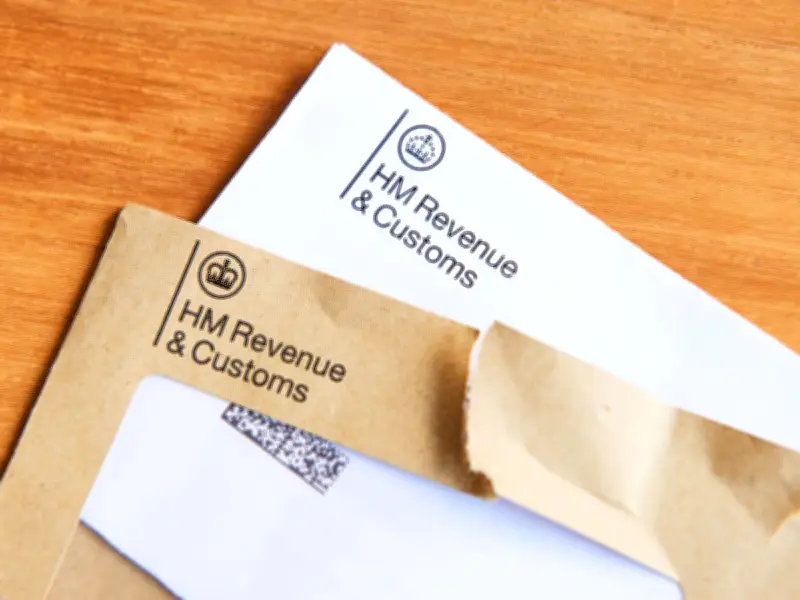
HM Revenue and Customs (HMRC) has announced that more than 100 types of personal tax correspondence will be made available digitally from summer 2027, moving millions of taxpayers away from paper letters. The change covers over half of the 120 million letters HMRC sends annually and is expected to save around £50 million per year in printing and postage costs.
Digital-First Approach for Taxpayers
Taxpayers will be able to access these letters through HMRC's digital services, including the HMRC app and Personal Tax Account, providing faster and simpler access to correspondence without waiting for postal delivery. HMRC emphasised that paper letters will remain available for those who need them, but digital communication will become the default for most.
The move is part of HMRC's broader modernisation plan, aiming to reduce the number of letters sent by up to 75% by 2028-29. HMRC also targets having at least 90% of customer interactions conducted through digital channels by 2030.

Growing Adoption of Digital Services
New figures show increasing uptake of HMRC's digital tools. Around 7.6 million people used the HMRC app during the 2025-26 tax year, a 28% increase on the previous year. Additionally, 5.6 million taxpayers checked their pay through the app nearly 100 million times, averaging 18 checks per person. The app also enables users to view their tax code, National Insurance number, income and benefits, make Self Assessment payments, track letters, and estimate tax liabilities.
Government and HMRC Leadership Comment
Exchequer Secretary to the Treasury Dan Tomlinson said: "HMRC is transforming so that dealing with the tax system is simpler, faster and more convenient. We're making big progress, and I hope people will download the HMRC app to see how well it works for themselves." He added: "There is more to do, but this is an important milestone on our journey towards a modern tax authority that saves people time, supports economic growth and helps ensure everyone pays the right tax."
HMRC chief executive JP Marks stated: "We are determined to go further, transforming digital customer experiences and strengthening our foundations for a more modern and secure tax, customs and valuation system. We remain focussed on delivering an improved service for our customers and bringing in the revenue that underpins the vital public services on which we all depend."