The death toll from the catastrophic flooding in Nepal and China has passed 1,000 as of Tuesday morning, officials said, with authorities reportedly burying hundreds of unidentified victims after the flood disaster overwhelmed morgues.
Death toll and missing
Nepal’s disaster agency said in an update on Tuesday that 987 deaths had been counted there, with 3,916 people missing, including 583 foreigners.
Chinese authorities, in their latest update on Sunday, reported 16 deaths and 546 people still missing.

Rescue efforts continue
The initial 72 hours after a disaster are viewed as critical to a rescue operation and there are fading hopes that the missing will be found alive. Rescue efforts nonetheless persist, but have been complicated by challenging terrain, persistently high flood waters and difficult weather.
The devastating floods occurred last Wednesday when a huge section of a glacier in the Himalayas came loose and crashed on to the valley floor in Nepal’s Langtang national park, unleashing a massive wall of water and mud that rushed down rivers and valleys. The resulting floods obliterated villages and destroyed vital infrastructure such as power stations, roads and bridges.
Hydropower workers trapped
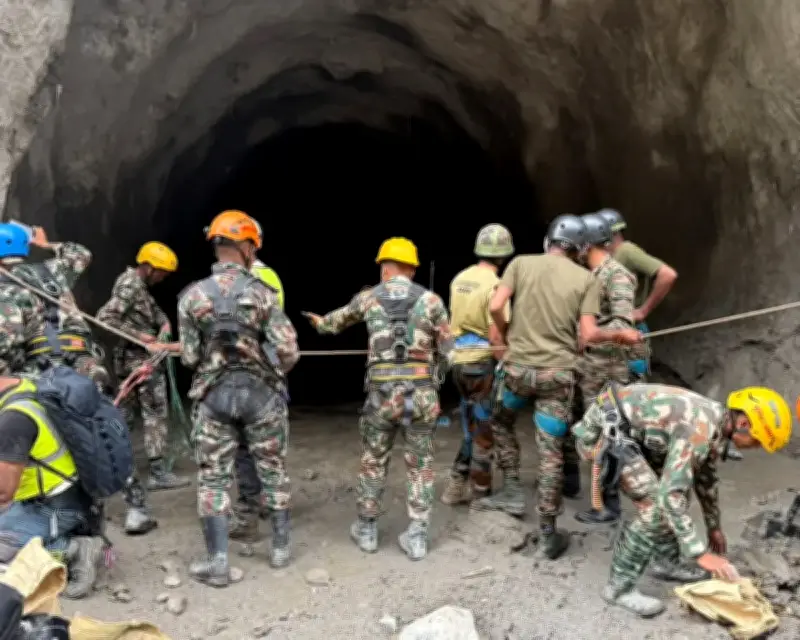
Much of the rescue efforts are now focused on trying to reach the 900 or so missing hydropower workers, hundreds of whom are feared trapped in the tunnels and underground areas of 12 hydropower projects in Nepal.
“A large amount of debris has been deposited and that is posing us a big challenge to open the tunnels,” the Nepal army spokesperson Raja Ram Basnet told the Reuters news agency on Monday.
About 250 people were rescued from the Upper Trishuli hydroelectric project over the weekend, and army engineers began blasting operations at the site to rescue another 42 workers thought be missing. Many people are feared to still be trapped in the sprawling network of mud-filled tunnels at hydropower sites along the Trishuli River, which flows through central Nepal.