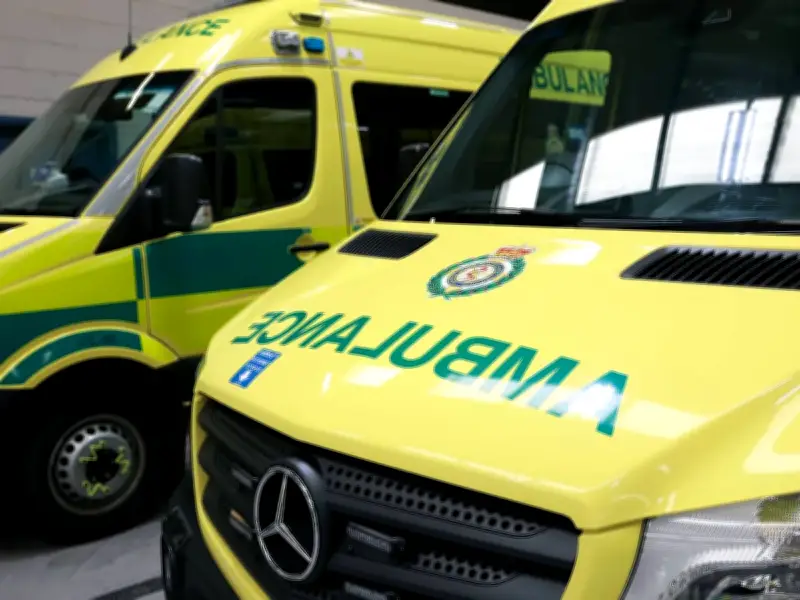
The North East Ambulance Service (NEAS) recorded the fastest response times in England for the most serious calls in October, with crews reaching category 1 incidents in an average of five minutes and 33 seconds.
This was more than a minute and a half quicker than the next best service and compares with a national average of seven minutes 59 seconds. The target for these immediately life-threatening cases, which can include cardiac arrest, is seven minutes.
Response Times Lead the Country
NHS England data for last month shows NEAS response times lead the country across all categories of patients. However, even as the best in England, the service's performance does not meet target when it comes to category 2 responses.
Category 2 incidents are still-serious cases, such as when someone is suffering a stroke or heart attack. The formal target is that these are attended within an average of 18 minutes, but the Government and NHS England have set a target for performance against this measure to hit 25 minutes by the end of the 2026/2027 financial year.
NEAS's record in October sees it one of just two services in the country to manage this thus far. It is also still best in the country, at an average of 20 minutes and 37 seconds.
Board Papers and Hospital Handovers
These figures relate to 3,747 category one responses, and more than 20,000 category 2 responses from the service's crews which operate across the North East, from the Scottish border to Teesside.
In papers submitted to the NEAS board last week, chief executive Kevin Scollay welcomed this performance. He said: "The Trust continues to perform strongly, remaining the fastest responding ambulance service in England across all four national response categories, alongside positive clinical outcomes and increasing numbers of patients receiving care without conveyance to hospital."
He added: "Hospital handover delays, pressure within NHS111 and Patient Transport Service punctuality remain areas of focus as we enter winter."
Handover delays remain a significant issue. The NHS England data shows that in October there were more than 1,200 occasions where it took more than half an hour for ambulance crews to handover care of a patient to emergency department colleagues, which allows them to return to the road. Across the month, the average handover time for NEAS crews was a little over 20 minutes, which remains better than the national average of 32 minutes.
Ahead of the board meeting last week, NEAS bosses added in a second report that performance in terms of responding to category 2 calls remained ahead of schedule, but that "deterioration in hospital handovers during September has materially reduced the margin available to absorb further pressure and represents an emerging patient safety risk".
They added: "NHS 111 call taking and clinical call-backs also remain challenged, while [patient transport] timeliness and call access continue to operate below agreed standards."