
Elle, a doctor who fled to the jungle after Myanmar's 2021 coup, represents the struggles of 45,000 healthcare workers supporting the resistance. She treats patients at a clinic but cannot earn enough to support her aging parents.
'We did everything we could for our country,' she says. 'But for ourselves and our families, we feel like we are failing.'
Healthcare system on the brink
Five years into the civil war, the military has gained ground with new conscripts and Chinese weapons. Experts say the healthcare system is on the verge of collapse due to attacks and lack of supplies. The World Health Organization verified 70 attacks, 148 deaths, and 186 injuries in 2025.
Dr. Andrew Green, chair of the BMA's medical ethics committee, stated that 'the violations of international humanitarian law, and the principle of medical neutrality have resulted in the reduction, or, indeed, the complete destruction of medical services in the country.' He added that Myanmar's healthcare system is now 'on the very brink of collapse.'
Shortages and resurgence of disease
Military blockades have caused severe shortages of bandages, antiseptic, antibiotics, IV fluids, malaria tests, and maternal and child health supplies. This has triggered a resurgence of malaria and outbreaks of other preventable diseases. Over 16 million people require life-saving assistance, according to the WHO.
Targeted attacks on clinics
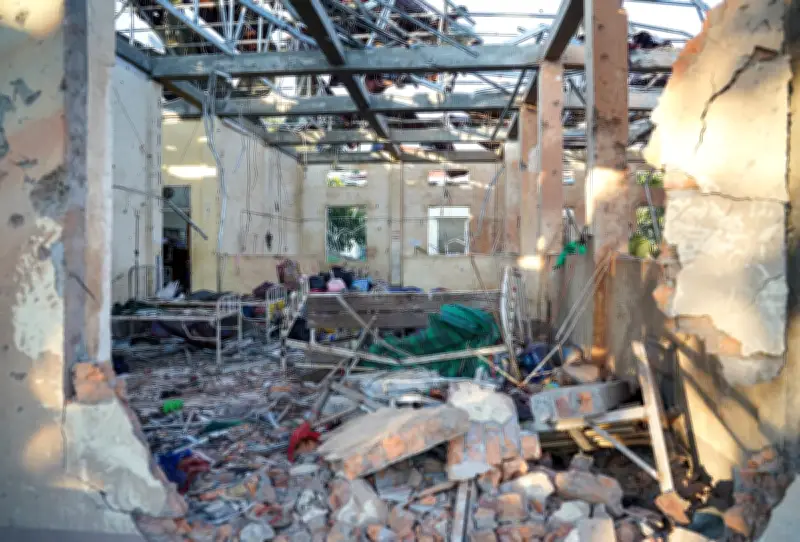
Since 2021, there have been at least 1,948 incidents of violence against healthcare, with 932 health workers arrested and 175 killed. A doctor from Global Health Partnerships said, 'Clinics in contested regions have been targeted from the air again and again, precisely because they kept communities alive and resistant to the military rule.' The junta denies civilian deaths, claiming those killed were terrorists.
Even before the conflict, Myanmar had only one health worker per 1,000 people. Many professionals have now fled or suspended practice.
Personal toll on healthcare workers
Elle reflects on her past position at a prestigious hospital. She gave birth at a refugee clinic, traveling by motorbike to a border area. Eight days later, authorities arrested her husband, and she suffered postnatal depression. He was eventually released, and they now treat patients from refugee camps.
'Doctors see death,' she says. 'But when I see dying [from this war], and especially children, injured or dying, it hurts.' Now a mother, she adds, 'It could be my son.'




