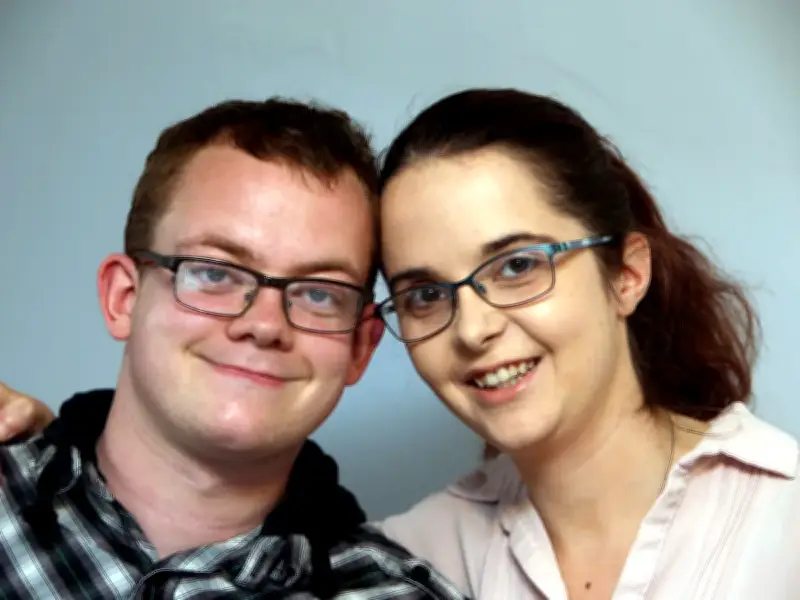
Lisa Skeen, from Rowlands Gill, has urged Prime Minister Andy Burnham to "get something done" and secure compensation over the sodium valproate scandal, after decades of campaigning. The medicine, prescribed to Lisa for epilepsy, caused disability in her children Bethany and Dominic. The issue is set to feature in a BBC Two documentary titled Mums v Big Pharma, airing on November 9, from the makers of Mr Bates vs The Post Office.
Lisa, 54, said she can no longer campaign as she once did due to ill-health, but remains passionate about the fight. Fellow campaigners Emma Murphy and Janet Williams appear in the documentary, while Lisa contributed and was interviewed.
Impact of the drug and the campaign
Taking sodium valproate in pregnancy is linked to a range of disorders, including autism, malformation of the skull, limbs, heart, kidney, urinary tract and sexual organs, as well as deafness, difficulty learning to walk and talk, and lower intellectual ability. At least 20,000 children are thought to have been affected in the UK since the 1970s. England's patient safety commissioner, Professor Henrietta Hughes, has described the damage as "a bigger scandal than thalidomide".
Lisa told ChronicleLive: "We keep being gaslit - all the time. It's the same as always I am starting to get to the age where I am worried about what will happen to the children if I wasn't here. Dominic has not been doing too well. He has now lost the sight in one eye and has needed a tube in the other." She added: "I worked with Janice for thirty years. Due to my ill-health I have had to step back, and the two of them have continued to carry on the campaigning. Andy Burnham was such a staunch supporter of us, now he is Prime Minister, he needs to get something done."
Personal experience and medical history
Lisa recalled her experience of taking the medication: "There were no warnings in the medication package at all, anything whatsoever. So I was unaware as to the damage it could do in later life. I had no information given to me from a neurologist. It was just 'take these pills'. I had my firstborn in 1993 and I wasn't made aware of any side effects. My second child, born in 1996, was admitted to special care as he was delivered by emergency C-section at 33 weeks. It was here, whilst reading his notes, that I found the term 'fetal valproate syndrome'."
Lisa said she had not heard about any danger from the medication until that point. A consultant later asked to see her elder child Bethany, who also had signs of the condition, though less marked. Both children were highlighted in a medical study as "classic" examples of children affected by the condition.
Legal battles and calls for action
Lisa was among parents who joined a clinical negligence case against the NHS, but it collapsed when legal aid funding was withdrawn. They then filed a lawsuit against drug manufacturer Sanofi, but the company's defence showed it had passed on all relevant information about side-effects to regulators. The women later found national archive documents showing that in 1973, Government advisers on the Committee on Safety of Medicines had said it was clear "the use of anticonvulsants during pregnancy" could produce abnormalities but the "risk appears to be low". The committee also said the evidence was "not sufficient to justify stopping" use of the drug. Later that year, advisers repeated the claim that the evidence was "not sufficiently conclusive" to require manufacturers of anticonvulsant products to issue a warning, "as it could give rise to fruitless anxiety".
This led to one independent review ordered by Government, followed several years later by another by Prof Hughes, but patients have still not received compensation. Last week, Lisa's MP Liz Twist spoke in a House of Commons debate on the issue, saying: "We are two years on from the Hughes report, which made it clear that we need to act. This is an important issue, and it feels like a group—primarily of women—are being left to one side to wait their turn or bide their time."
Responses from officials and Sanofi
Prof Hughes told the Press Association: "A health system that protects patients must be willing not only to prevent future harm, but also to respond properly when harm has already happened. Without accountability, failures persist, lessons go unlearned and trust becomes extremely difficult to rebuild. There's no excuse for inaction. Thousands of people harmed are living with complex health needs, the cost of their care and the devastating emotional impact on their families. Those harmed need more than apologies. They need a clear route to redress that provides recognition, accountability and a long-overdue sense of justice."
The Department of Health said the Government was determined to make progress on its response to the Hughes report, adding it was clear those affected have already waited far too long for answers. A decision has not yet been made to provide financial redress, it added. A statement from Sanofi said: "Sanofi understand the concerns of persons affected by valproate and their families and their need to be heard. The use of valproate in pregnancy is an incredibly complex issue that involves many different parties including government, regulators, doctors and other prescribers, pharmacists, manufacturers, patients, and other people affected. The supply of valproate, an essential medicine used to treat serious and potentially life-threatening conditions, is subject to detailed regulatory requirements and supervision by the regulatory authority. We have provided information to the regulatory authorities, under their supervision and in accordance with their evaluation and decisions, information has been given to healthcare professionals and patients that reflect the evolution of scientific knowledge. We are committed to working with all concerned stakeholders to continue educating about the risks and precautions for the appropriate use of valproate."