
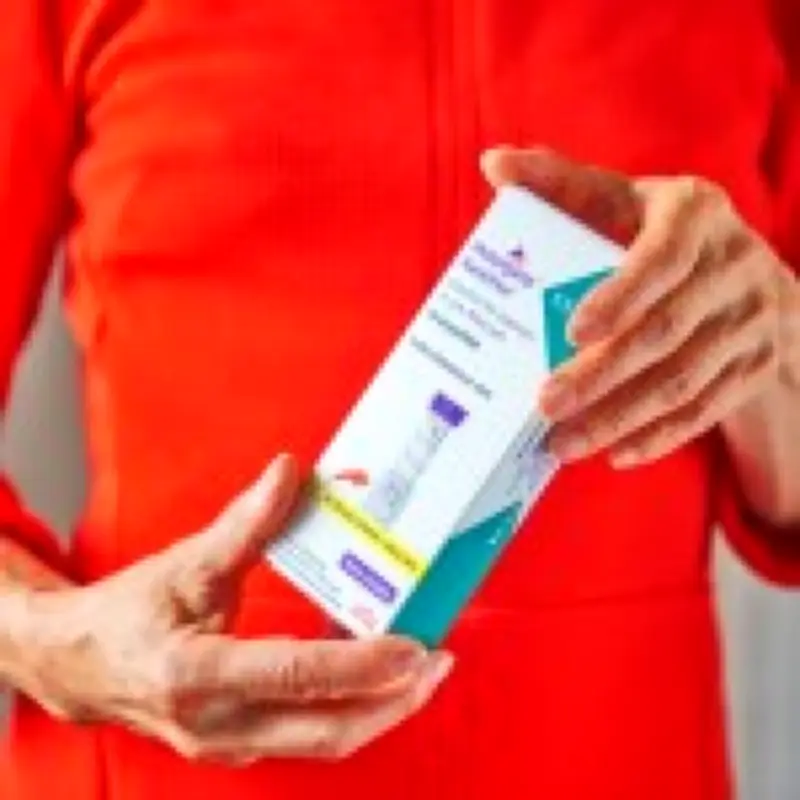
A red weather warning is in place across the UK as temperatures approach 40°C, prompting a pharmacist to warn that Mounjaro injections may become less effective if not stored correctly. Peter Thnoia, from NHS-registered pharmacy PillTime, advises that before use, Mounjaro should be stored in a fridge between 2°C and 8°C, and once opened, it must stay below 30°C. During a heatwave, protecting the medication from high temperatures is crucial.
Storage Tips for Mounjaro in Hot Weather
Thnoia recommends keeping Mounjaro pens in a cool place, such as the fridge, even after opening. Unused pens should also be refrigerated. He warns against leaving medication in warm rooms, on windowsills, or in direct sunlight, as this can expose it to temperatures well above the safe range.
He also advises checking fridge temperature settings to ensure the medication does not freeze. “If the medication freezes, it should not be used, even after thawing,” Thnoia says, recommending users avoid placing jabs at the back of the fridge or near the freezer compartment where it is colder.
Travelling with Mounjaro
For those leaving home, Thnoia suggests using a cooling pouch or cool packs to keep the medication within a safe temperature range. He notes that the cool packs used for delivery can be refrozen and reused. However, he strongly warns against leaving Mounjaro in a car, as even short exposure to high temperatures can make the jabs less effective.
“With the injections being once a week, I would always recommend people stick to their set day and take them when it is convenient, rather than travel with them,” Thnoia adds, noting that small changes to the time of day do not affect effectiveness.
Additional Heatwave Risks for Mounjaro Users
Dr Suzanne Wylie, a GP and medical advisor for IQdoctor, warns that GLP-1 receptor agonists like Mounjaro can pose additional health risks in hot weather. Common side effects such as nausea, vomiting, and diarrhoea can lead to significant fluid loss, increasing the risk of dehydration. The medication also slows gastric emptying, which may cause individuals to eat and drink less.
“These losses need to be replaced,” Dr Wylie says. “If someone is already experiencing medication side effects that reduce fluid intake or increase fluid loss, they may be more vulnerable to dehydration-related illnesses, such as heat exhaustion and heatstroke.” She also notes that dehydration can contribute to gallstones, a rare but reported side effect of some weight loss medications.
Preventing Dehydration
Dr Wylie advises against relying solely on thirst as a cue to drink water, as thirst often occurs after dehydration has begun. She recommends adults aim for six to eight glasses of water per day (approximately 1.5 to 2 litres), with higher amounts needed during hot weather, illness, or increased activity.




