
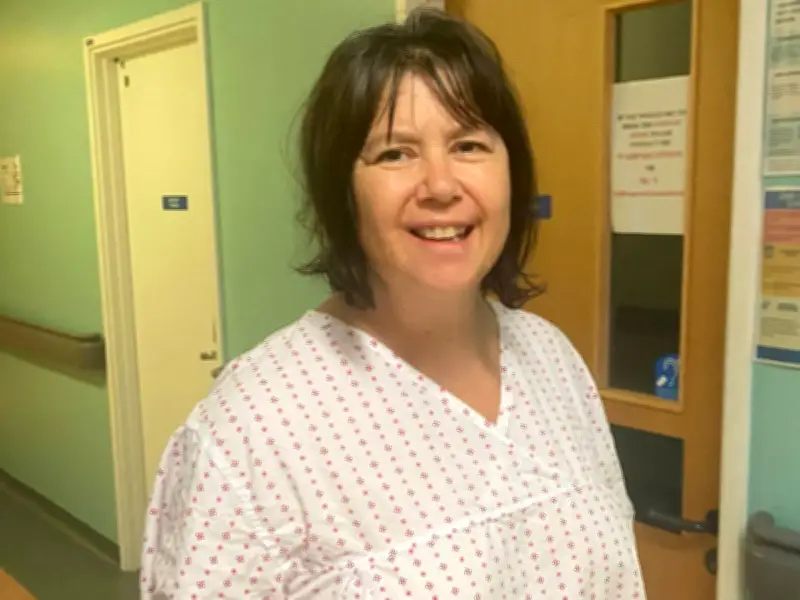
Michelle Dilger, a 52-year-old mother of two, experienced confused and disjointed speech that was repeatedly dismissed by GPs as symptoms of menopause. It was only after a routine gynaecology appointment that a consultant recognised the severity of her condition and referred her for an emergency scan, which revealed a glioblastoma — an aggressive and incurable brain tumour. She was given just 12 months to live.
Defying the Odds
Michelle underwent major surgery at John Radcliffe Hospital in Oxford and has defied medical expectations, surviving for eight years. Now 60, she has inspired her son, Jack Dilger, 29, to dedicate his career to funding brain tumour research. Jack has launched a sports performance brand, Cramp Killa, and is donating £1 from every sale to Brain Tumour Research, which uses artificial intelligence to improve glioblastoma treatments.
Missed Signs and Misdiagnoses
Jack recalled his mother's initial symptoms: "My mum is an incredibly intelligent woman. She's always had amazing attention to detail; she's brilliant with words. Then suddenly, she started sending messages that didn't really make sense. Her speech became confused and disjointed. Looking back now, it was such a clear sign that something was seriously wrong." Despite numerous visits to the GP and A&E, her condition was misdiagnosed as menopause and anxiety.
It was in November 2018, during a routine gynaecology appointment, that the consultant saw how unwell she was and referred her for an emergency scan. The tumour was discovered within 30 minutes. Jack said: "When I got a phone call from my dad, Richard, he was so distraught I could barely understand him. He said, 'your mum's got a brain tumour' and I felt like the ground had fallen beneath me."
Turning Tragedy into Purpose
Jack, a graduate from the University of the West of England, explained that the ordeal transformed his perspective. "The experience transformed my outlook on life and inspired me to build a brand with a purpose beyond sport. Cramp Killa isn't just about helping athletes perform at their best. It's about creating something positive from an incredibly difficult experience. Every order placed means another contribution towards finding a cure for brain tumours."
Jack was further inspired by his friend, British swimmer Archie Goodburn, who qualified for the Commonwealth Games despite being diagnosed with three oligodendrogliomas at age 23.
The Urgent Need for Research
Brain tumours claim more lives among children and adults under 40 than any other cancer, and more women under 35 than breast cancer. Yet, since records began in 2002, only 1% of the national spend on cancer research has been allocated to brain tumours. Jack said: "I hope the partnership will unite the endurance sport community behind the cause. Endurance athletes and runners raise millions for charity every year. If Cramp Killa can become part of that journey while helping fund research into brain tumours, that would mean everything to me."
Dan Knowles, Chief Executive of Brain Tumour Research, added: "Michelle's story is a powerful reminder of why greater investment in research is urgently needed. Our scientists are working tirelessly to unravel the underlying biology of these dreadful tumours and uncover new ways to attack them. This invaluable partnership with Cramp Killa will help to fuel new discoveries and pave the way to smarter, kinder treatments for patients. We are hugely grateful to Jack and everyone at Cramp Killa for supporting our vision to find a cure."




