
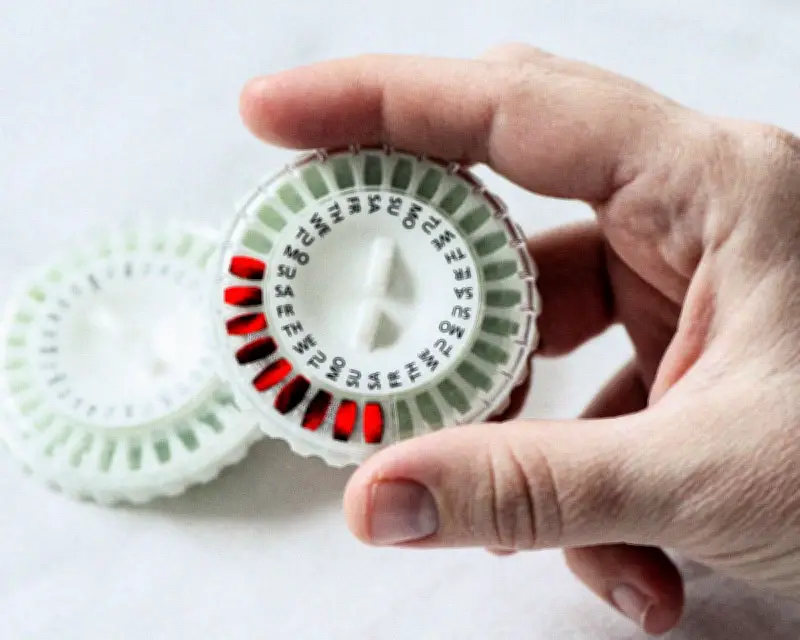
Timely menopause hormone therapy (MHT) provides immense relief from symptoms and lowers fracture risk, but expecting it to fix all age-related issues is a set-up for disappointment, according to experts. A 2025 Mayo Clinic study found that about one-third of women report pronounced menopause symptoms, yet only 13% seek treatment. Nanette Santoro, a professor of obstetrics and gynecology at the University of Colorado, notes that the real-world number is likely even lower.
Why Menopause Is Often Missed or Misdiagnosed
One issue is that menopause is not confirmed until a year after a woman's last period. By then, Santoro says, "we've missed the window when they have been their most symptomatic." Additionally, many women who raise concerns about symptoms with their clinicians are dismissed, contributing to under-treatment.
At the same time, menopause awareness is growing due to celebrity advocacy and social media, driving demand for care. However, menopause isn't the only thing that happens to women's bodies with age. By the time women hit perimenopause, at least half already have a chronic medical condition. This awareness can lead women to seek hormones for symptoms that may have other causes.
The Hype Around MHT
Claims that MHT reduces weight gain, prevents dementia, averts heart disease, prolongs life, or confers "hormonal balance" are not grounded in evidence. Lauren Streicher, a gynecologist at Northwestern University, says many influencers cherry-pick data. In November 2024, the Department of Health and Human Services secretary and the FDA commissioner removed the black box warning on hormone therapy, making inaccurate claims based on low-quality studies about MHT's ability to prevent Alzheimer's and extend life by 10 years.
"Women are left wondering, 'Who do I believe? My clinician, who I’ve been going to for 20 years and who seems real smart, but he or she doesn’t seem to know any of this stuff, or the person on social media who’s got 2 million followers?'" Streicher says.
What MHT Actually Does
Estrogen is the workhorse of symptom relief in MHT. In people with a uterus, it's typically co-prescribed with progesterone to prevent cancerous overgrowth of the uterine lining. Bodywide estrogen treatment helps reduce hot flashes, night sweats, and sleep disturbances by acting on estrogen receptors in the nervous system. Transdermal application (patches, creams, gels) may be safer for many women than pills, as the digestive route produces tiny quantities of blood clot-causing byproducts.
Local estrogen therapy (vaginal creams, suppositories, rings) works for vaginal and bladder symptoms like itching and dryness. Progesterone pills are the best delivery mechanism, though IUDs can also be beneficial. MHT can positively affect cardiovascular and bone health but is not recommended as first-line prevention for either. For most women starting hormones within 10 years of their last period or before age 60, risks are low, especially with transdermal or local estrogen.
Non-hormonal therapies are available for women who cannot take estrogen, such as those with a history of breast cancer.
How to Decide If MHT Is Right for You
Separating real benefits from myths can be challenging. The best way to determine whether MHT can help is to consult a clinician with up-to-date knowledge about menopause treatment. The Menopause Society and author Jen Gunter offer guidance on finding and vetting practitioners.




