More than 1,000 laboratory-confirmed measles cases have been recorded in England in 2026, according to the UK Health Security Agency (UKHSA), prompting calls for parents to ensure children are up to date with routine vaccinations.
As of 9 November, there have been 1,055 laboratory-confirmed measles cases reported in England in 2026 to date, the UKHSA data shows. This already exceeds the total 2025 figure of 958 confirmed cases, with seven weeks still remaining before the year ends.
Cases exceed last year's total
Measles is often described as a "Victorian disease" because of its widespread and deadly prevalence during the 19th century, when no vaccines were available, medical care was inadequate, and urban overcrowding and poor sanitation were common.
In 2026, measles activity began climbing in February, peaked in May, and has since fallen and stabilised, the UKHSA reported. The vast majority of confirmed cases (61%) were in children aged 10 years and under, with 51% of cases occurring in London.
Some 15% were in the West Midlands and 11% were in the North West. "However, all regions have reported at least one confirmed case with symptom onset since January 2026."
Complications and fatalities
Health officials caution that measles can result in complications including "ear infections, pneumonia, and inflammation of the brain which require hospitalisation and on rare occasions can lead to long term disability or death". Three deaths linked to measles have been recorded so far in 2026.
The first was an acute measles fatality in a child, the second involved a child who died as a result of the late effects of measles, and the third was an adult with an underlying immunological condition.
Parents uncertain whether their child has received all routine vaccinations should consult their child's red book (personal child health record). If unsure or needing to update vaccinations, contact a GP surgery to confirm and arrange an appointment.
Symptoms and when to seek help
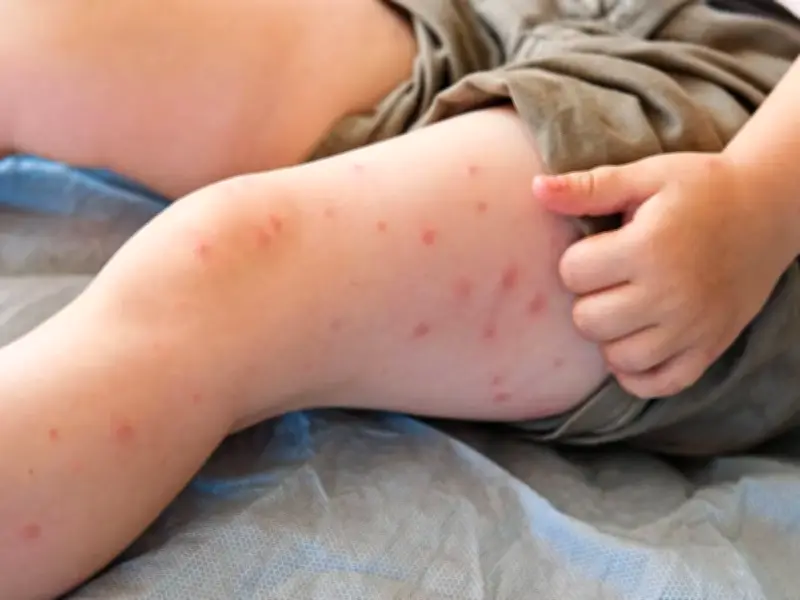
Measles usually starts with symptoms similar to a common cold, including a fever, runny or blocked nose, coughing, sneezing, and red and sore eyes, followed by a rash several days later. Some people may also develop small spots inside their mouths.
The rash initially appears on the face and behind the ears before spreading to the rest of the body. The spots can sometimes be raised and merge together to form blotchy patches, though they are not typically itchy. On lighter skin, the rash looks brown or red in colour, but it may be harder to spot on darker skin tones.
An urgent GP appointment or help from NHS 111 is advised if someone thinks they or their child may have measles; if a child under 1 year old has been in contact with someone with measles; if a high temperature has not subsided after taking paracetamol or ibuprofen; if there has been close contact with someone who has measles while pregnant or with a weakened immune system; if there has been close contact with someone with measles without having had measles or 2 doses of either the MMRV or MMR vaccine; if there is difficulty breathing; if a baby or young child is not feeding well; if urinating less than usual; or if feeling very unwell or concerned something is seriously wrong.
The NHS also advises: "Measles can spread to others easily. Call your GP surgery before you go in. They may suggest talking over the phone or arrange for you to come to a part of the surgery where you're separated from others."