
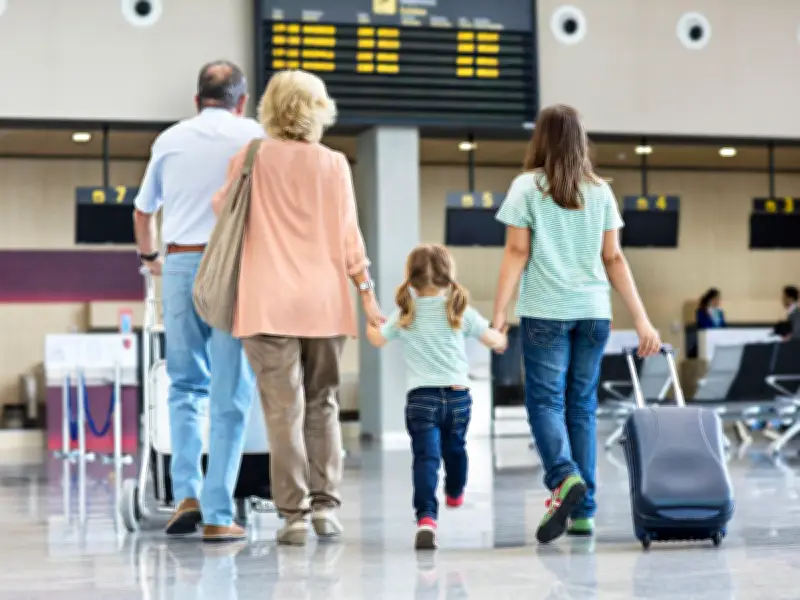
New data has revealed six European countries have become hotspots for measles, prompting a warning for holiday-making Brits. With summer holidays approaching, families heading to France, Spain, Italy, Germany, Romania, or Bulgaria should be wary of measles, one of the most infectious diseases in the world. Someone infected by the Victorian-era disease can infect up to 90% of unvaccinated individuals they come into contact with.
England's Measles Cases Second Highest in Europe
Shockingly, England has recorded the second-highest number of measles cases across Europe this year, falling only behind Romania, which has seen 767 cases. England had 754 recorded cases of measles between January and May 2026, according to data from the UK Health Security Agency (UKHSA). Italy saw 425 infections, with Bulgaria observing 338 over the same time period.
UK Loses Measles-Free Status
The growing number of measles cases in the UK this year has led to Britain losing its "measles-free" status. Measles is a highly contagious disease which can lead to pneumonia, meningitis, blindness, seizures, and can also be fatal. The disease tends to infect the respiratory tract before it reaches the rest of the body.
Symptoms and Vaccine Urgency
Symptoms of measles include high temperature, cough, runny nose, loss of appetite, and muscle pain. The development of white spots and a red or brown rash are tell-tale signs of the disease. Doctors have urged people to get a vaccine against the disease as two doses of the MMR vaccine will provide people with up to 99% protection. The number of people who have taken their MMR vaccine in England has plummeted over the years, falling to only 84%, the lowest rate since 2010.
Vaccination Coverage Below Threshold
At least 95% of the population needs to be vaccinated to prevent outbreaks, under public health guidance. The European Centre for Disease Prevention and Control (ECDC) states: “It is vital to ensure first and second dose vaccinations are administered on time, in accordance with national schedules, among children. It is also important to identify and vaccinate eligible individuals (for example, non-immune adolescents and young adults) in immunisation catch-up programmes.”
Last year alone, 7,655 cases of the disease were reported in Europe, with eight of them being fatal.




