
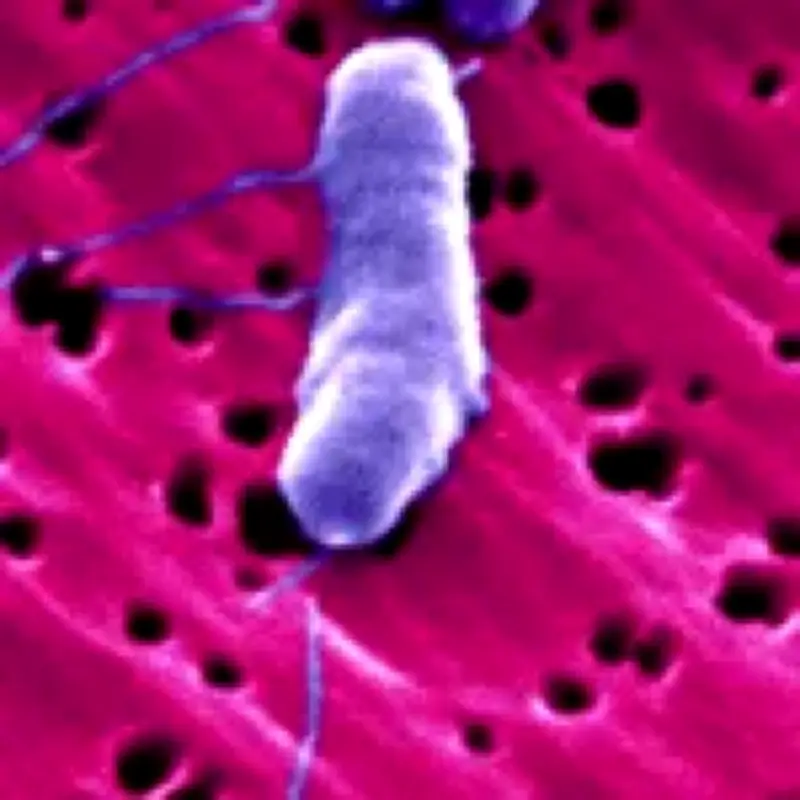
Health officials in Louisiana are warning beachgoers to be cautious after a surge in flesh-eating bacteria was detected in coastal waters. So far this year, the state has recorded nine cases of Vibrio vulnificus, a bacterium that thrives in seawater and brackish water.
The waters near the Gulf of Mexico, especially along the Louisiana coast, mix brackish estuary water with fresh saltwater, creating ideal conditions for the bacterium. All nine patients were hospitalized, and five have died.
Victim dies days after swimming
One victim, 77-year-old Basil Kennedy, became seriously ill after scraping his leg and then going swimming. He died just three days later. Officials warned: “Seek medical care immediately if a wound exposed to brackish or salt water becomes red, swollen, painful, warm or discolored.”
According to health officials, one in five Vibrio vulnificus infections is deadly, with symptoms appearing within hours of exposure. Higher temperatures linked to climate change have made infections more common and helped the bacterium thrive.
Infection risks beyond swimming
Infection is not limited to swimming with open wounds. The CDC says many people contract the disease by eating raw shellfish, such as oysters or mussels. Symptoms of foodborne infection include watery diarrhea, stomach cramps, nausea, vomiting, fever, and chills. Wound infections present differently, with fever, pain, redness, warmth, swelling, discolouration, and discharge signaling the need for immediate treatment.
The bacteria have also been reported across Europe this summer. The European Centre for Disease Prevention and Control has warned of an increased risk of infections, particularly during heatwaves and in shallow coastal waters.
Mediterranean warming increases risk
With the Mediterranean warming about 20% faster than the global average, conditions are becoming more suitable for bacterial growth. Warmer, less salty water serves as a fertile breeding ground. The Mediterranean’s naturally higher salt levels have historically suppressed Vibrio vulnificus, making the Baltic and North Sea coasts higher-risk areas. However, scientists warn that as the sea warms and salt patterns shift, that could change.




