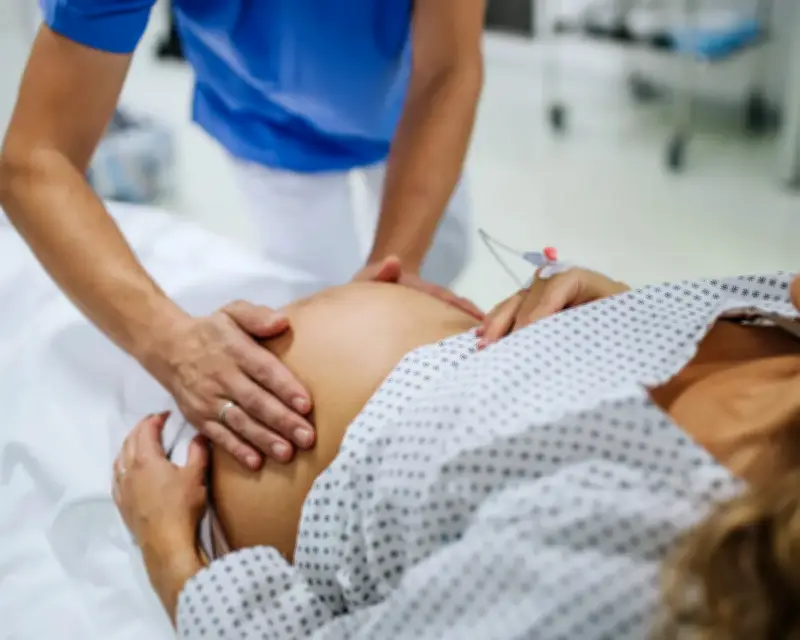
Ireland's maternity care system, despite being a developed nation, continues to fall short of providing safe, state-funded birth for all women. This failure is not due to a lack of resources but rather a systemic oversight that prioritizes certain models of care over others.
The Promise of Universal Care
In recent years, the Irish government has made commitments to improve maternity services, including the introduction of a new model of care that aims to provide continuity of care and better outcomes. However, the reality on the ground is far from these promises, with many women still facing significant barriers to accessing the care they need.
The issue is not just about the quality of care but also about the financial burden placed on families. Despite the rhetoric of free maternity care, many women are forced to pay for essential services out of pocket, adding to the stress and anxiety of childbirth.

The Impact on Women and Families
This gap between policy and practice has real consequences. Women in Ireland are more likely to experience complications during childbirth compared to other high-income countries, and the lack of adequate state support only exacerbates these risks.
The current system also fails to address the needs of marginalized communities, who are often the most affected by these shortcomings. Without a comprehensive approach to maternity care that includes financial protection and equitable access, Ireland will continue to lag behind its peers.
It is time for the Irish government to take concrete action to ensure that every woman receives the safe, state-funded care she deserves, not just in theory but in practice.