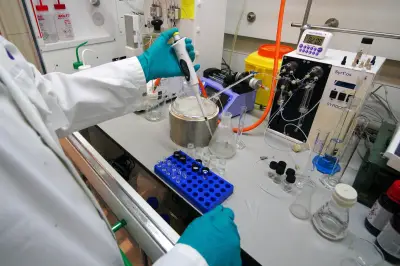
An NHS clinic in Newcastle has opened a dedicated "dosing room" where patients with conditions such as depression and bipolar disorder can receive treatment with psychedelic drugs. The room, featuring a bed with a fluffy blanket and mood lighting, is part of the CaPE (Care Pathway Enhancement) clinic operated by the Cumbria, Northumberland, Tyne and Wear NHS Trust.
How the psychedelic treatment trials work
Consultant psychiatrist Dr Mourad Wahba told ChronicleLive that trials of substances such as synthetic forms of psilocybin — the psychoactive compound in so-called "magic mushrooms" — had shown significant potential as treatments. Invited into the clinic itself, Dr Wahba and clinical psychologist Tom Sharp explained how the treatment process works.
Dr Wahba said: "Someone can be depressed at home and they can just give us a call and self-refer. We would see them, triage them, do a full psychiatric assessment and then see if they are suitable for any of the trials we run." He added that after assessment, the team could suggest trials involving psychedelics, neuro-stimulating headsets, or different drugs for conditions such as bipolar disorders.

The senior medic noted that the hope was to engage patients in a collaborative treatment, rather than simply prescribing antidepressants during a brief doctor's appointment, as this can be important in mental health care.
Patient preparation and support
Tom Sharp, a senior clinical psychologist, explained that his role involves working with patients before, during and after a psychedelic experience, depending on the type of trial. He said: "If someone is accepted to be involved in a trial, we will tend to do two or three preparation sessions. We get to know each other and help them to learn about what the experience will entail. I'd share information about the common type of things people experience - some people might hallucinate, you might be confronted with difficult memories or perhaps with new insight."
Sharp added that while helping patients understand what to expect was important, the team did not characterise an experience as "good or bad". He said: "Things might be difficult or challenging, but we don't like to talk about an experience being good or bad. When we have the 'integration' session afterwards, often there can be a lot of meaning to be gained from what might have been more difficult moments [during the experience]."
Accessing the trials
The CaPE team aims to help people across the North East who are experiencing chronic or intractable mental ill health to access new treatments being trialled. One of the current trials, Embrace, is a phase three clinical trial that has previously been found to be safe among volunteers. Patients can self-refer by contacting the clinic directly.