
The UK is experiencing its sixth heatwave of the 2026 summer, forecast to be the hottest on record, with temperatures again above 30C and set to rise further. The UK Government has an amber heat alert in place, warning the weather is likely to have a "significant impact".
Since late spring, when a new May temperature record was set, heatwaves have continued through June and July. In total, there have been 37 consecutive heatwave days somewhere in the UK this year, with the highest temperature recorded at 38C in Norfolk on June 26.
This has made nights difficult for parents of young children. UK homes are generally not designed for warm weather, and upstairs bedrooms often become far hotter than downstairs, with open windows having little effect.
Symptoms of heat rash in babies
Heat rash might be uncomfortable, but the NHS says it is "usually harmless" and "usually gets better on its own after a few days". Symptoms are the same in adults, children and babies and can appear anywhere on the body: small, raised spots; an itchy, burning or prickly feeling; and mild swelling.
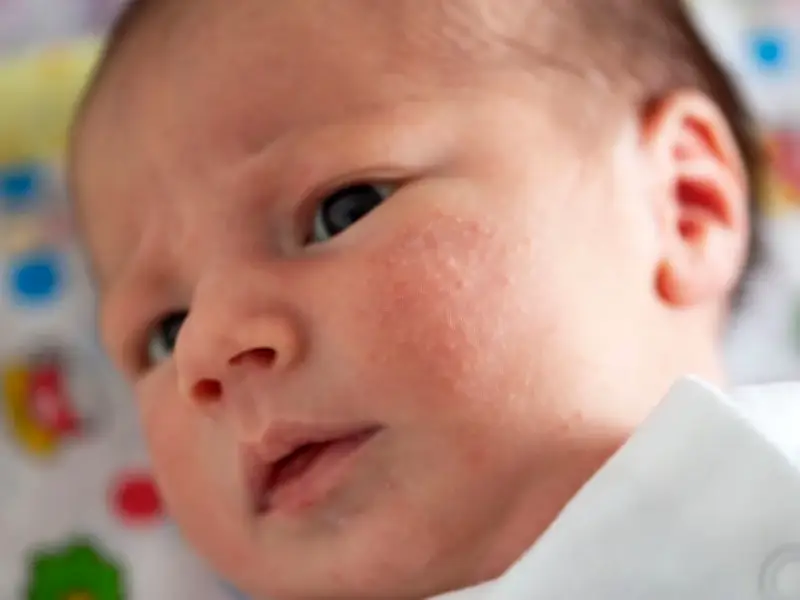
A heat rash is a group of very small bumps, similar to pimples, each about 1 to 3 millimetres wide. They tend to look red on light-coloured skin but may look grey or white on darker skin. This most common form is called "miliaria rubra".
The Cleveland Clinic explains that heat rash "can also appear as tiny, clear bumps" which "look a bit like water droplets". This type, called "miliaria crystalline", typically affects newborns and is a milder form that may not cause itchiness or discomfort.
Where do heat rashes form?
Heat rash can appear anywhere on the body. In babies, it tends to be common in armpits, elbow creases, neck, groin (diaper area), and upper chest and back. In adults, it commonly forms on the arms, back, chest (especially under the breasts), and legs (especially the inner thighs).
Heat rash can be itchy or "prickly". The NHS recommends applying "something cold, such as a damp cloth or ice pack (wrapped in a tea towel) for up to 20 minutes" and tapping or patting the rash instead of scratching it. It advises against using perfumed shower gels or creams.
How to treat heat rash
The NHS says heat rash will usually get better on its own after a few days, and "the main thing to do is keep your skin cool so you do not sweat and irritate the rash". Keeping cool can involve wearing loose-fitting cotton clothing, using lightweight bedding, and taking cooler baths. To calm the rash, you can apply something cold like a damp towel or ice pack, or a pharmacist might provide a lotion, antihistamine tablets, or hydrocortisone cream (though this cream is rarely given to younger children).
Parents may also want to check their baby's rash is not one of the following rashes, which can be compared on the NHS website: slapped cheek syndrome, hand, foot and mouth disease, scarlet fever, measles, eczema, ringworm, chicken pox, and impetigo.
When to call a doctor
The NHS says to call 999 or go to A&E immediately if your child or baby has a rash, is unwell, and has any of the following symptoms: stiff neck; bothered by light; confusion, agitation, or not responding like they usually do; difficulty breathing, breathlessness, or breathing very fast; skin, lips, or tongue looking pale, blue, grey, or blotchy; sudden swelling of the lips, mouth, throat, or tongue; a tight throat or struggling to swallow; or a rash that looks like small bruises or bleeding under the skin and does not fade when a glass is pressed against it.




