
A few months ago, a neurosurgery coordinator at a hospital felt a strange pressure in her chest and rib cage when she stood up. She ignored it. The next day, the odd squeezing returned. Despite working in a healthcare setting and being familiar with cardiac warning signs, she did not realize she was having a heart attack.
A nurse coworker urged her to go to the emergency room. Tests there, including an electrocardiogram and troponin levels, showed nothing abnormal, so she was sent home with cholesterol and blood pressure medication. But the sensation persisted, and she called a cardiologist the next morning. A catheter exam revealed blockages in two arteries, one in the largest coronary artery – the type that can cause a “widowmaker” heart attack. She required a stent and was told she could have suffered a heart attack without medical intervention.
Why Women’s Heart Attack Symptoms Differ
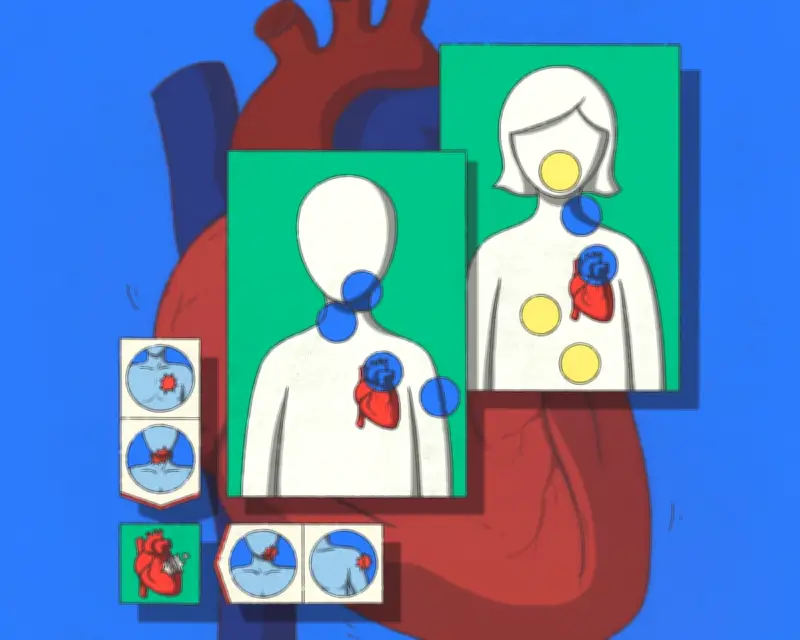
According to the American Heart Association, heart attack symptoms are different for men and women. Men commonly experience chest pain, arm or jaw pain, nausea, and shortness of breath. Women may have chest pressure, upper abdominal discomfort, jaw or neck pain, nausea, vomiting, fainting, shortness of breath, indigestion, or extreme fatigue – and chest pain is not always present.
Dr Sirisha Vadali, a cardiologist specializing in women’s heart disease, notes that the heart and stomach share nerves, so indigestion, nausea and GI distress can be heart disease symptoms. She urges women to notice even small physical changes that may not seem related to the heart.
Underappreciation of Cardiovascular Risks in Women
Dr Americo Simonini, a cardiovascular specialist at Cedars-Sinai, says there is an underappreciation of cardiovascular risks in women. He recommends additional tests such as high-sensitivity C-reactive protein (hs-CRP), lipoprotein(a), apolipoprotein B, and coronary artery calcium scores to provide a clearer picture. He also notes that the misconception that women are protected until menopause is false.
Dr Sonal Chandra of Focus Cardiology adds that women are far less likely to receive imaging or interventions even when showing comparable indicators. She advises patients to ask for additional diagnostic testing if their concerns are not addressed.
Historical Research Gaps and Improving Education
Historically, large-scale cardiovascular research has focused on male participants. For example, the Million Veteran Program (MVP) initially involved mostly white, male participants. However, education about gender differences in cardiac health has been improving over the past decade, with programs at universities like University of Pennsylvania, Columbia, and Harvard now offering dedicated women’s cardiovascular health curricula.
What Women Can Do to Monitor Heart Health
Experts stress regular checkups and baseline testing from a primary care provider. Women should provide detailed information about family history, diet, and environment. Dr Simonini encourages persistence: “Keep asking more and more questions; we are in a profession where we can’t afford to be wrong.”




