
Holidaymakers in Europe are being warned about mosquito mayhem this summer over a deadly virus. Sunseekers have been urged to avoid going out at dawn and dusk and wear light coloured clothes as the West Nile disease sweeps the continent.
Virus Transmission and Symptoms
The virus is passed through the bite of an infected mosquito with the highest cases between July and September. There is no licensed vaccine for humans and no antiviral treatment, health chiefs warned.
Dr Hans Henri P. Kluge, the World Health Organization’s Regional Director for Europe, said: “West Nile virus is not a new threat, but the conditions that make it spread are changing rapidly. Warmer temperatures and longer summers are giving mosquitoes more time and territory to transmit this virus. Most infections are mild, but roughly one in 150 people who contract it will develop a severe infection affecting the central nervous system which can be life-threatening.”
Prevention Advice
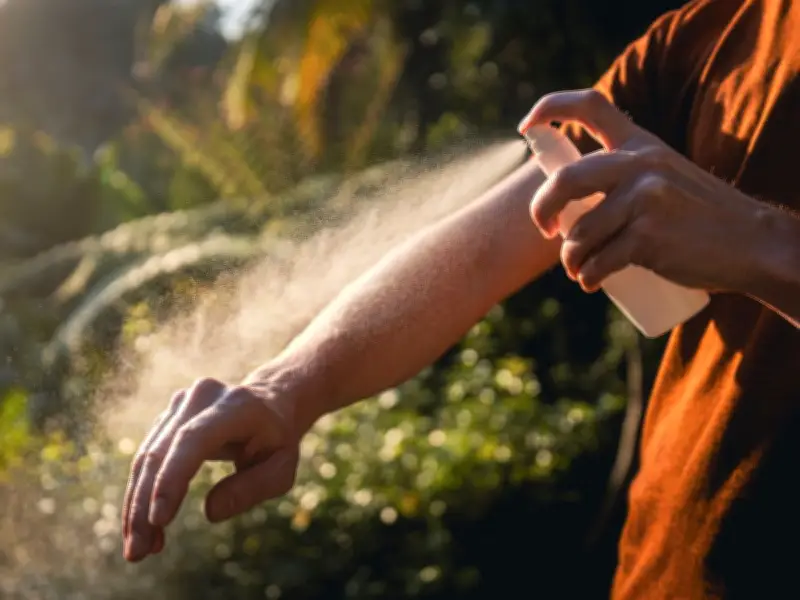
Kluge added that along with wearing trousers and long sleeved clothing, people should use insect repellent when holidaying in Europe this summer. He also urged people to fit window and door screens to keep the insects out of properties and sleep in an air-conditioned room or use fans while sleeping. Anyone who develops a high fever, rash or neck stiffness after a mosquito bite “should see a doctor without delay.”
Recent Cases in Greece and Italy
It comes after Greece recorded the steepest recent rise in cases, with 21 people catching the virus. Meanwhile, Italy has seen 21 cases confirmed in 17 separate areas.
Mosquitoes catch the West Nile virus by feeding on infected birds. No human-to-human transmission through everyday contact has been recorded.
WHO Statistics
The WHO added that 70%-80% of people with the infection won’t develop any symptoms. It added: “Those who do may experience fever, headache, tiredness, body aches, nausea or vomiting, and sometimes a rash or swollen lymph glands. Severe disease can cause high fever, neck stiffness, disorientation, tremors, convulsions, muscle weakness, paralysis or coma. If you develop symptoms after returning from an area where West Nile virus is circulating, seek medical care promptly.”




