
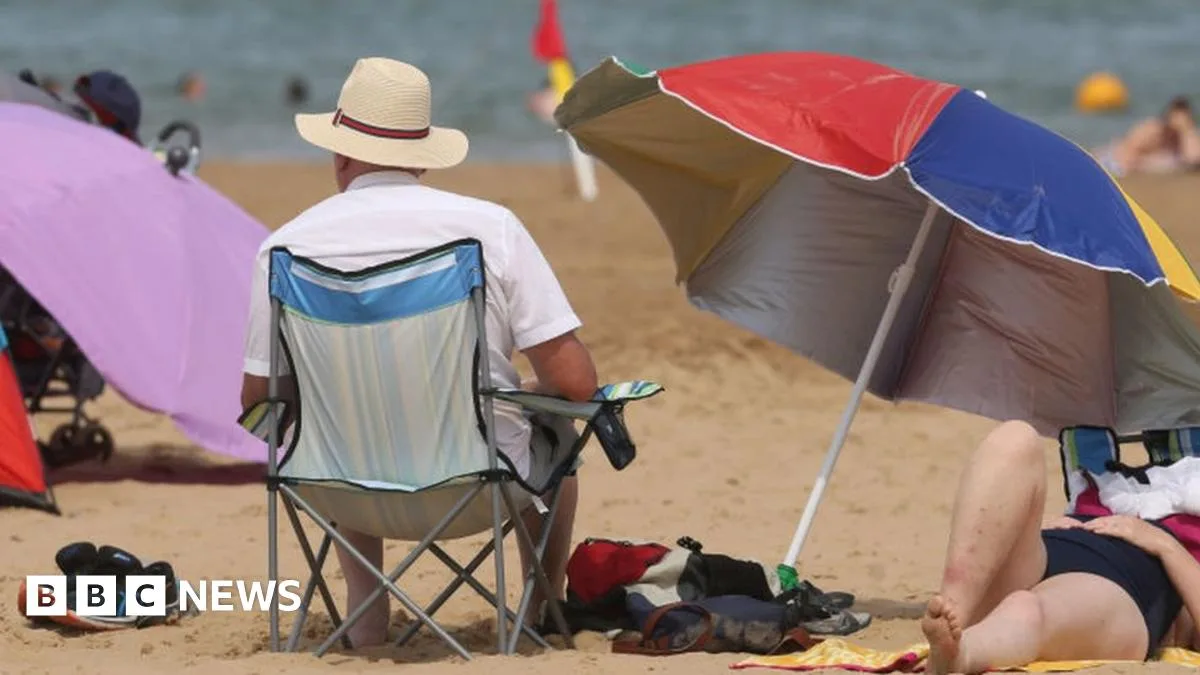
People taking certain antidepressants and antipsychotics need to take extra precautions during the heatwave, warns Dr Wendy Burn, former president of the Royal College of Psychiatrists. These medications can impair the body's ability to regulate temperature, cause excessive sweating, reduce thirst sensation, and increase skin sensitivity to sunlight.
Around 8.3 million adults in England take antidepressants, according to NHS figures. While not all types are linked to heat sensitivity, tricyclic antidepressants and antipsychotics have been associated with heat-related illnesses. Dr Laurence Wainwright of the University of Oxford notes that these drugs affect the hypothalamus, the brain's temperature control centre, potentially leading to muscle cramps, fainting, heatstroke, and heat exhaustion.
Selective serotonin reuptake inhibitors (SSRIs), the most commonly prescribed antidepressants in the UK, can cause excessive sweating, which may worsen in hot weather and lead to dehydration, dizziness, and fainting. Early evidence also suggests SSRIs may affect thermoregulation. Patients are advised to use high-factor sunscreen, stay out of direct sunlight, keep cool, and drink plenty of water.
Hallie, a 28-year-old taking the SNRI venlafaxine, experienced severe nausea and excessive sweating during July's heatwave. She says the side effects have made her anxious about socialising in hot weather. Dr Burn emphasises that people should not suddenly stop their medication without consulting a doctor, and should follow standard heatwave advice such as wearing loose clothing and avoiding strenuous activity.




