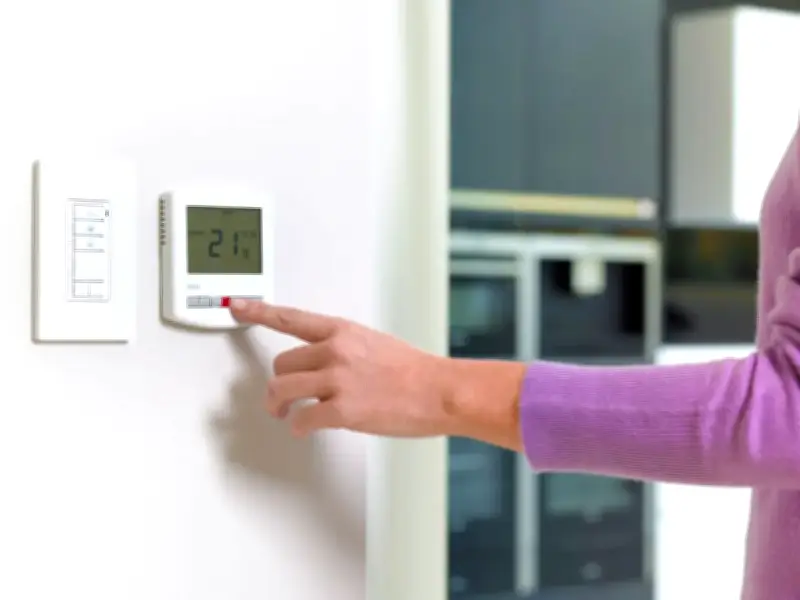
The UK Health Security Agency advises heating your home, or the rooms you spend more time in, to at least 18C to stay well this winter. The guidance comes as temperatures fall across the country, with cold weather affecting health even when temperatures are above freezing.
How cold weather affects the body
Cold weather increases the likelihood of illnesses like flu and can bring on or worsen heart and lung conditions. Those with chronic health problems, as well as elderly people and young children, are more likely to be affected.
When you become cold, your body works to keep your core temperature steady at around 37.5C. To maintain this temperature, your blood pressure rises, making your blood more prone to clotting. For those with a pre-existing condition, a clot in a blood vessel of the heart can cause a heart attack, and a clot in the brain can cause a stroke.
Main risks and winter infections
After the onset of cold weather, deaths from cardiovascular conditions are seen first, followed by deaths from stroke and then from respiratory conditions. Deaths also typically rise shortly after the onset of cold weather from infections such as pneumonia.
Hypothermia, a dangerous fall in core body temperature, accounts for only a small proportion of deaths during cold weather in the UK each year, according to the Office for National Statistics. More people die from heart and lung conditions brought on or worsened by the cold.
Coughs, colds and flu are more common in winter because people spend more time indoors with windows closed, making it easier for viruses to pass from person to person. Cold, dry air dries out the lining of the nose and throat, including the tiny hairs that help to clear germs, so viruses can pass through more easily. Some viruses thrive in colder conditions, including rhinoviruses, which cause the common cold, flu and COVID-19 viruses, which are more infectious in cold, dry air.
When health effects begin
Exposure to cold can suppress the immune system and constrict the airways, increasing mucus production in the respiratory system, which raises the risk of bronchitis and pneumonia. Other infections, including norovirus, also become more common in winter due to increased time spent indoors in poorly ventilated spaces, and because the virus survives better in the cold.
Outdoors, health effects can begin to be felt at an average temperature anywhere between 4C to 8C, which many people would consider cold but not freezing. Indoors, evidence indicates that below 18C is when the body begins to show adverse effects. Risk also accumulates with the number of days spent at moderately cold temperatures, not only on the coldest days.
Staying well this winter
The UK Health Security Agency advises heating your home, or the rooms you spend more time in, to at least 18C. You should try not to sit still for more than an hour or so, as movement keeps the blood circulating and helps to prevent clotting. If you are unable to move around, even small movements like flexing your fingers and toes will help.
People are also advised to check the weather forecast, sign up for Met Office alerts and plan ahead, for example by collecting prescriptions and buying groceries before a cold spell. Keeping bedroom windows closed at night, wearing multiple layers of thinner clothing, and having your boiler and appliances serviced regularly can also help. Try to reduce draughts, for example by fitting draught excluders at home.