UK households are being cautioned by a health professional against one costly heating 'mistake' when it comes to saving money. The warning comes as families brace themselves for higher energy bills this autumn and winter, with elderly people and those living with health conditions facing the greatest risk.
The energy price cap increased by 4% on October 1, meaning a typical household paying by Direct Debit now faces an annual bill of £1,723. This represents £60 more than under the previous cap, should that level of usage be maintained throughout the year, reports the Daily Record.
GP warns against turning heating off entirely
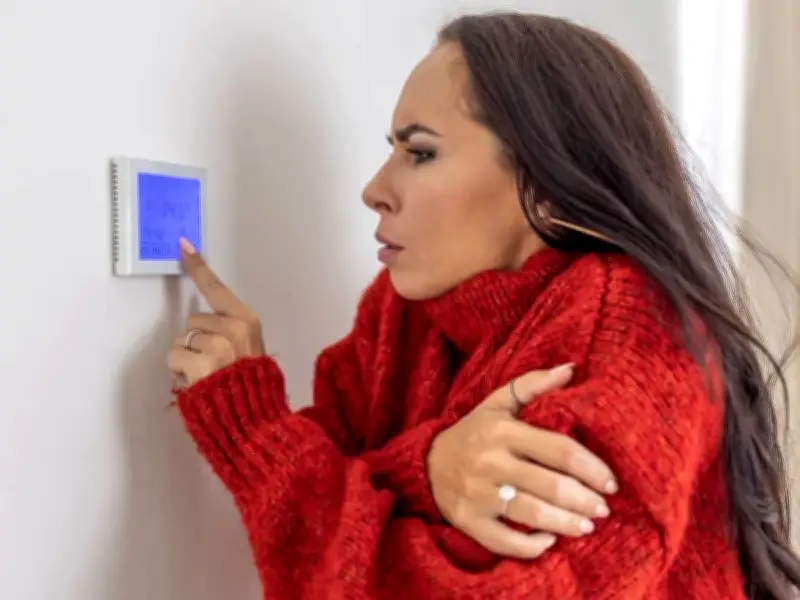
The rise coincides with falling temperatures and households switching their heating back on, with many seeking ways to reduce their outgoings. However, health professionals are urging vulnerable individuals to think carefully before simply turning the heating off altogether.
One GP is cautioning older people and those with long-term health conditions against attempting to cut costs by switching off their heating entirely or allowing their homes to become excessively cold. The NHS advises that staying warm throughout winter can help ward off serious health complications, including heart attacks, strokes and pneumonia. It recommends maintaining regularly used rooms at approximately 18°C or above where possible, particularly for those living with underlying health conditions.
Dr Asiya Maula, private GP at The Health Suite, said: "When money is tight, turning the heating down can feel like an obvious way to save, but for some people a cold home can have real health consequences. This is particularly important for older people and anyone living with a heart, lung or other long-term condition. The aim is not to heat every room all day, but to avoid allowing the rooms you regularly use to become uncomfortably cold."
Health risks of cold homes
Chilly temperatures can place extra strain on the body. It may prove especially challenging for those already managing respiratory or cardiovascular conditions.
Dr Maula said: "Someone who already has asthma, chronic obstructive pulmonary disease (COPD), heart disease or another chronic condition may be more vulnerable to the effects of the cold. If you notice that you are constantly cold, unusually tired, becoming breathless or struggling to manage a condition that is normally stable, do not simply assume it is because of the weather."
Simple heating tricks that could save money
There is no need to keep the entire house heated around the clock, Dr Maula explains. Shutting doors to rooms that are not in use, drawing curtains after dark, sealing draughts and ensuring windows and doors are properly fitted can all help to keep warmth in.
Dr Maula said: "Think about where you actually spend your time. Prioritising the bedroom and living space is more sensible than paying to heat an empty spare room. Warm clothing, blankets and hot meals can help too. But they should complement - not necessarily replace - adequate heating for somebody who is vulnerable to the cold."
Financial support available
Households struggling with their bills should also check whether they are eligible for financial assistance. The Warm Home Discount offers a one-off £150 reduction on electricity bills for qualifying households, with the scheme set to reopen in October 2026.
Dr Maula added: "If heating your home is becoming unaffordable, do not simply switch everything off and hope for the best. Check what financial help you may be entitled to and speak to your energy supplier if you are struggling to pay."
For older relatives or neighbours, a quick phone call or visit can also make a difference. Someone may be quietly sitting in a cold home because they are worried about the cost of turning the heating on. Anyone who experiences significant breathlessness, chest pain, confusion, severe weakness or other serious symptoms should seek urgent medical attention rather than assuming they are merely feeling the cold.