
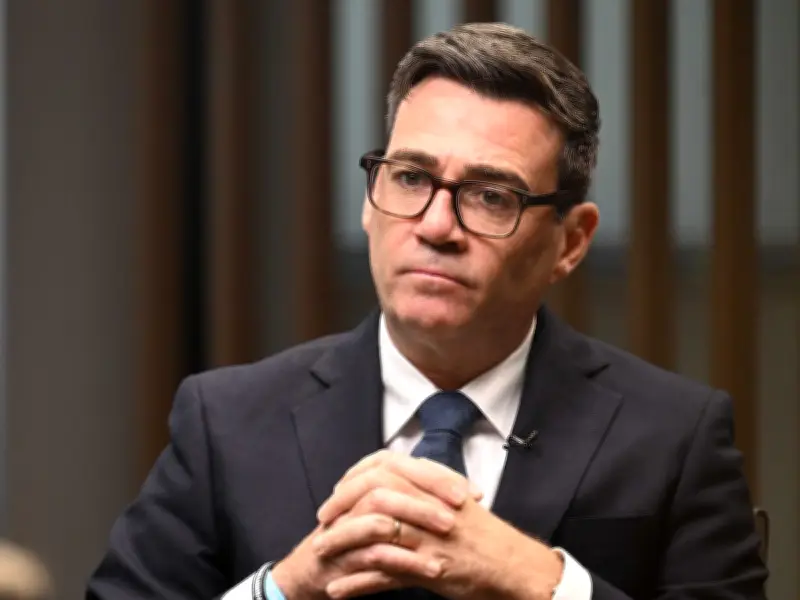
Andy Burnham's new government has launched a pilot scheme that could significantly change how sick notes (fit notes) are issued, aiming to provide more support for people to return to work. The pilots began in July across four areas, backed by £3 million in the first year.
Two Models Being Tested
Under the pilots, patients will either receive an initial fit note from a GP and then be referred to community health workers, or go through the entire process without a GP-issued fit note, instead being supported by a separate service 'staffed by clinical and non-clinical practitioners', according to the Department for Work and Pensions (DWP).
In Birmingham and Solihull, GPs will issue the first fit note where needed, with all patients referred to a new support service led primarily by non-clinical staff, including social prescribers and work and health coaches. In Coventry and Warwickshire, GPs will issue the first fit note, with patients able to be referred to a support service made up of both clinical and non-clinical staff. In Cornwall and the Isles of Scilly, GPs will refer patients directly to a non-clinical support service, without issuing a fit note. In Lancashire and South Cumbria, GPs will refer patients to a support service made up of both clinical and non-clinical staff, without issuing a fit note.
Reactions from Medical Bodies
The BMA said it has contributed to the design of these pilots with the DWP to overhaul the fit note system, as the union feels the current system is 'not working for GPs or patients'. The RCGP said it is 'open to exploring evidence-based reforms' that could help improve outcomes for patients, but any reform of the fit note process must 'avoid creating additional workload for general practice'.
Following the pilots' findings, the Government will bring forward legislation to reform the fit note system. The Government also published documents from its call for evidence on the reform, which showed that only three in 10 healthcare professionals in primary care say fit notes are 'a good use of GPs time', while six in 10 employers think the current process is 'ineffective at supporting their employees' work and health needs'.
Ministerial Statements
Work and pensions secretary Pat McFadden said: “Fit notes are too often a dead end – a piece of paper that tells people they can’t work but does nothing to help them get better. We’re changing that. By bringing employers, the NHS, and patients together we can help people recover faster, stay connected to their jobs, and get the economy firing on all cylinders. That’s what these pilots are about, and that’s what this Government is committed to – fixing what is broken.”
Primary care minister Stephen Kinnock said: “NHS staff have been telling me that the current fit note system isn’t working – not for patients, and not for the clinicians who sign them off. These pilots mark the beginning of the end for that broken system, giving people personalised support to get back into work and freeing up GPs from unnecessary admin so they can focus on what they do best: caring for their patients.”
Views from GP Leaders
BMA GP committee practice business policy lead for England Dr Clare Bannon said: “We welcome the opportunity to test how different models work and ensure the new process reduces unnecessary appointments for GPs, but most importantly provides support to patients. We will continue to input into the pilots to ensure they have appropriate occupational health support and do not inadvertently increase pressure on general practice or affect patient care. While we are supportive of this pilot, it must be underpinned by appropriate training, clinical oversight and clear governance.”
RCGP president Professor Victoria Tzortziou Brown said: “GPs take our responsibility to appropriately issue fit notes seriously, but the current system can involve significant administrative work that takes time away from patient care. Any reform of the fit note process must put the health and wellbeing of patients first, be fully resourced and avoid creating additional workload for general practice. As such we look forward to seeing a comprehensive evaluation of this pilot.”
Background and Previous Reforms
At the beginning of the year, the Government announced a scheme to reduce demand for GP fit notes, following a £64m pilot across 15 ICB areas that began in 2024. Sir Charlie Mayfield’s review into health-based economic activity, published last year, found 93% of fit notes in England deem the patient 'not fit for work' and are 'often extended without further consultation'. It recommended adopting a Workplace Health Provision service 'to take the pressure off our GPs and healthcare professionals, freeing up their valuable time to be spent on diagnosing and treating patients'. This is despite the Government introducing legislation in 2022 that expanded fit note certification to other professionals such as nurses, physiotherapists, and occupational therapists. Last year, Government-commissioned research found limited take-up of healthcare professionals other than GPs writing fit notes since the 2022 reforms.




