
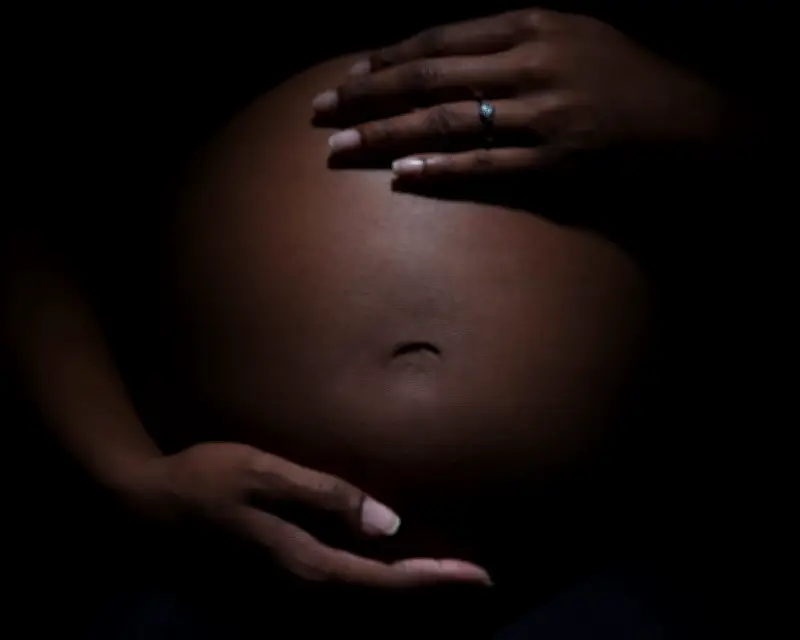
Gender and racial biases are systematically undermining maternity care, leading to tragic outcomes as highlighted by the Ockenden inquiry. The inquiry found that more than 500 mothers and babies came to harm or died due to inadequate care at Nottingham University Hospitals NHS Trust. Rhiannon Lucy Cosslett earlier questioned why women are routinely ignored in maternity care, a concern echoed by researchers who identify that women's accounts are often discredited due to prejudices.
Gender Bias and Racial Stereotypes in Maternity Care
Professor Sarah Devaney, Dr Victoria Moore, Professor Alexandra Mullock, and Dr Laura O'Donovan note that gender-based prejudices stem from historical patriarchal assumptions about female bodies, leading to women being perceived as anxious or hysterical. This results in symptoms being dismissed as psychological. For Black and other ethnically non-white women, racial stereotypes compound this bias, such as beliefs about varying pain tolerance, leading to inaccurate pain relief during labor. Consequently, women's testimonial knowledge is devalued, and their voices are not heard in their care.
Systemic Failures and Lack of Accountability
Lorin Lakasing, a consultant in obstetrics and foetal medicine, observes that the horrific stories from Nottingham are unsurprising. He notes that over half of the 66 executives and 10 out of 14 commissioners refused to participate in the investigation, despite preaching transparency. Lakasing doubts that a statutory public inquiry would yield improvements, as those involved often claim they were following orders from higher authorities, diluting accountability.
Culture of Fear and Whistleblowing
David Lewis highlights that despite the Francis report on Freedom to Speak Up, the Ockenden review found a culture of fear where junior staff were intimidated from escalating concerns. He calls for making senior managers personally criminally liable for allowing toxic environments that inhibit whistleblowing.
Leadership Failures in Midwifery
Simon Gillespie, a former NHS regulator, expresses deep concern over the sustained failings in maternity care. He points to ineffective midwifery leadership at all levels that has accepted poor care, prioritized reputation over patient safety, and failed to protect patients. He calls for far-reaching change in the oversight and leadership of midwifery and nursing.
Understaffing and Stress
Dr M Tariq Ali, with nearly 40 years of NHS experience, confirms that toxic behavior stems from severe stress due to understaffing. He shares that his daughter, a trainee midwife, often faces shifts with only six midwives instead of eleven. Despite a report highlighting inadequate staffing, 31% of midwifery graduates cannot find jobs. The Ockenden report notes chronic understaffing where staff were overstretched and exhausted.
The inquiry underscores the urgent need to implement regulations for safer care in a learning healthcare system that values women's voices. Without such changes, systemic medical misogyny in maternity care will continue to devastate families.




