
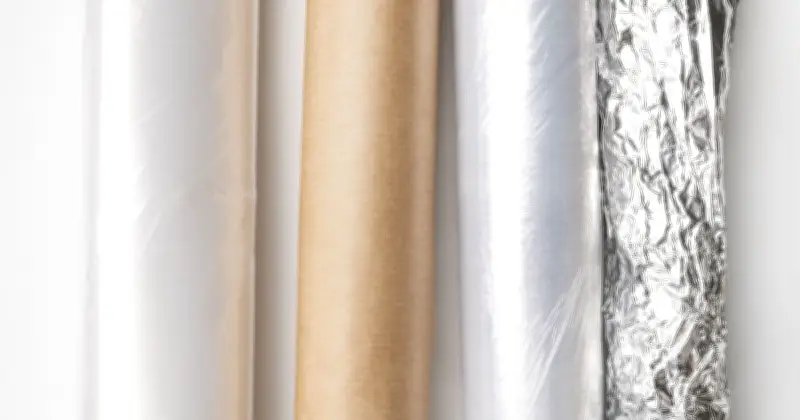
Food safety experts have highlighted common mistakes in using cling film and kitchen foil.
Cling film not for all foods
Food Standards Scotland (FSS) says some ingredients shouldn't be wrapped in foil at all, and cling film also has limits depending on the product. The experts advise checking the label because “not every type of cling film is suitable to use with all foods”. Packaging should state which foods it can be used with.
They further note that “some type of cling film isn’t suitable to touch high-fat foods”. This includes pastries, cakes with buttercream or chocolate icing, raw meats with a layer of fat like bacon, pies, fried meats, and cheese.
FSS add that people should “not use it if it could melt into the food, such as in the oven or on pots and pans on the hob”. If using it in the microwave, “make sure it doesn't touch the food.”
Kitchen foil and acidic foods
Similar rules apply to kitchen foil. They add: “It's best not to use kitchen foil or containers made from aluminium (such as aluminium pans) to store highly acidic foods.”
This includes limes, pineapple, cabbage, raspberries, lemons, rhubarb, tomatoes, and many other types of soft fruit.
It explains: “Aluminium foil or containers can affect the taste of these sorts of food, especially if they are stored for a long time.”




