
Leading eye doctors have issued a list of symptoms that may require urgent medical attention after looking at the sun. Millions across Britain looked to the skies on Wednesday evening to see the best solar eclipse in decades. Despite repeated warnings from experts about looking directly at the sun, many evidently chanced it last night and couldn't resist the temptation after solar eclipse viewing glasses sold out everywhere.
Symptoms to Watch For
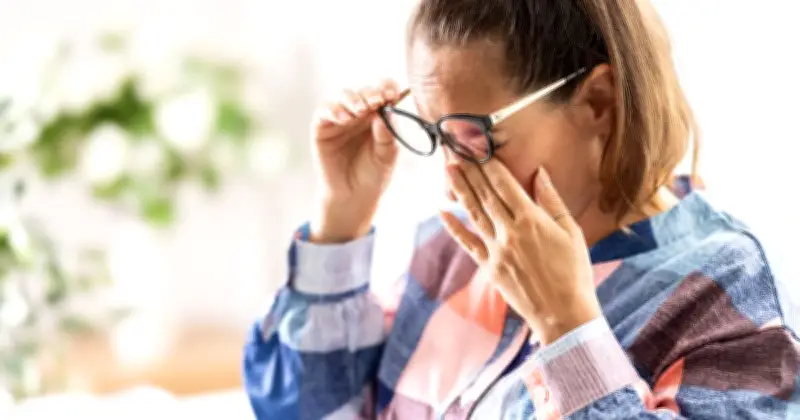
Moorfields Eye Hospital has listed potential symptoms to be aware of after looking at the sun, including eye pain, redness, grittiness or irritation, blurred vision, distorted vision, new dark spots in your vision, and sudden changes in sight.
“If someone has looked at the sun and subsequently develops any of (these) symptoms, they should seek urgent medical attention,” Alex Ionides, consultant ophthalmic surgeon at Moorfields Eye Hospital and Moorfields Private, said.
Expert Warnings on Eye Damage
Mr Ionides said: “One of the most common misconceptions is that a partial eclipse makes it safe to look at the sun. In reality, even during an eclipse, the sun remains bright enough to damage the delicate tissues of the eye. The retina is the light-sensitive layer at the back of the eye that allows us to see. When you look directly at the sun, the bright light and ultraviolet radiation can damage retinal cells. This condition is known as solar retinopathy. Solar retinopathy can develop after only a short period of exposure. The damage may not be painful, so people often do not realise there is a problem until hours later. Symptoms can include blurred vision, distorted vision, reduced colour perception, difficulty reading, or a dark spot in the centre of vision. In some cases, the effects improve over time, but permanent vision loss can occur in some cases.”
Sunglasses Not Enough
Only special solar eclipse glasses that are ISO 12312-2 certified for the safest eye protection should be used to view the eclipse. Sunglasses do not offer sufficient protection. Mr Ionides added: “Many people assume that ordinary sunglasses will protect their eyes. Properly accredited UV sunglasses are essential for everyday wear to protect your eyes from the sun’s harmful effects. Unfortunately, sunglasses do not provide sufficient protection against looking directly at the sun, particularly for prolonged periods.”
Following the 1999 total solar eclipse, the Royal College of Ophthalmologists reported around 70 cases of people experiencing vision problems after watching the eclipse. Around 40% had looked at it for less than a minute.




