
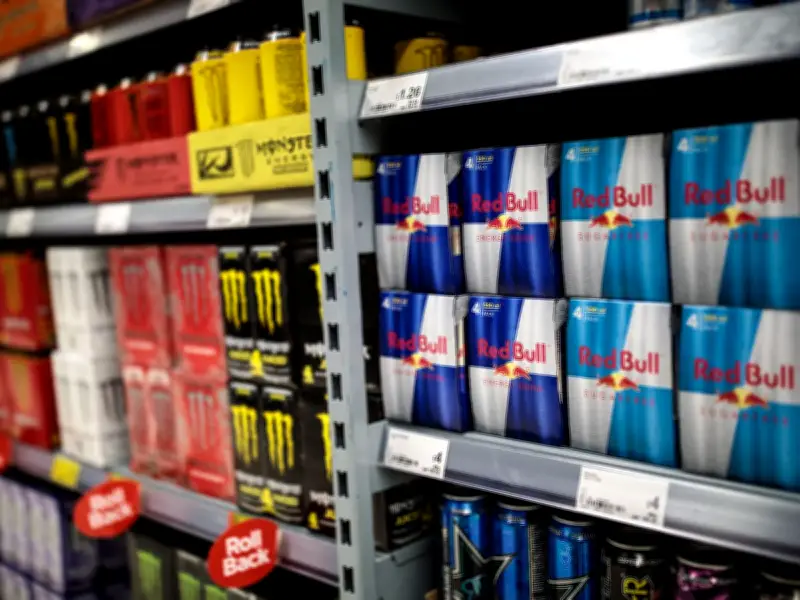
From April 2027, a new law in England will prohibit the sale of high-caffeine energy drinks to anyone under the age of 16, affecting all major supermarkets and convenience stores. The ban, confirmed by the UK Government, applies to retail settings including shops, vending machines, and online platforms. Drinks containing more than 150mg of caffeine per litre—such as Monster, Red Bull, Prime, and Relentless—will be covered, while soft drinks like Coca-Cola and Pepsi, which have lower caffeine levels, as well as tea and coffee, are exempt.
Voluntary Measures and Need for Legislation
Most large supermarkets, including Tesco, Sainsbury's, Waitrose, Morrisons, and Asda, have already voluntarily stopped selling energy drinks to under-16s. However, research from the Department of Health indicates that some smaller convenience stores continue to sell these products to children, prompting the need for a legal ban.
Health Impacts and Government Rationale
The Department of Health and Social Care, along with the Department for Education, stated that the ban will better protect children's health from the harms linked to high-caffeine energy drinks. It is estimated to help prevent obesity in up to 40,000 children and address issues such as disrupted sleep, increased anxiety, and lack of concentration. Around 100,000 children in England consume high-caffeine energy drinks daily, with higher consumption rates in more deprived areas.
Public Health Minister Sharon Hodgson said: "High-caffeine energy drinks have no place in children's hands. We know thousands of kids in England consume them daily but the evidence is clear that this can cause anxiety, affect their sleep and concentration and can have a detrimental impact on their education. This ban will reduce children's opportunity to buy drinks that are harmful to their health and wellbeing, and demonstrates our firm commitment to creating the healthiest generation of children ever."
Consultation and Enforcement
The ban follows a 12-week consultation from September 3 to November 26, 2025, which received 1,095 responses from businesses, public health organisations, enforcement bodies, and the public, showing strong support for an age restriction. Retailers will be responsible for ensuring compliance, and local authorities will enforce the ban. Businesses that break the law face fines of up to £2,500, subject to Parliamentary approval.
Broader Health Measures
The energy drink ban is part of a series of government measures aimed at improving children's health and tackling childhood obesity. Other initiatives include extending the Soft Drinks Industry Levy, introducing supervised toothbrushing for 3- to 5-year-olds in deprived communities, and restricting less healthy food in store placements, volume price promotions, and advertising during children's viewing times.
Katharine Jenner, Executive Director of the Obesity Health Alliance, commented: "This is a hugely popular policy, backed by parents, health professionals and the public, and a vital step towards protecting children's health. Strong evidence links high-caffeine energy drinks to anxiety, poor sleep, reduced concentration and harm to learning and wellbeing. Restricting sales to children at a vital time in their life is just common sense. Children in more deprived communities are disproportionately affected. Extending the ban across shops, vending machines and online sales will create a fair, consistent system for retailers and families. After years of delay, the government must now secure approval, support effective enforcement and ensure the ban starts promptly in April 2027."




