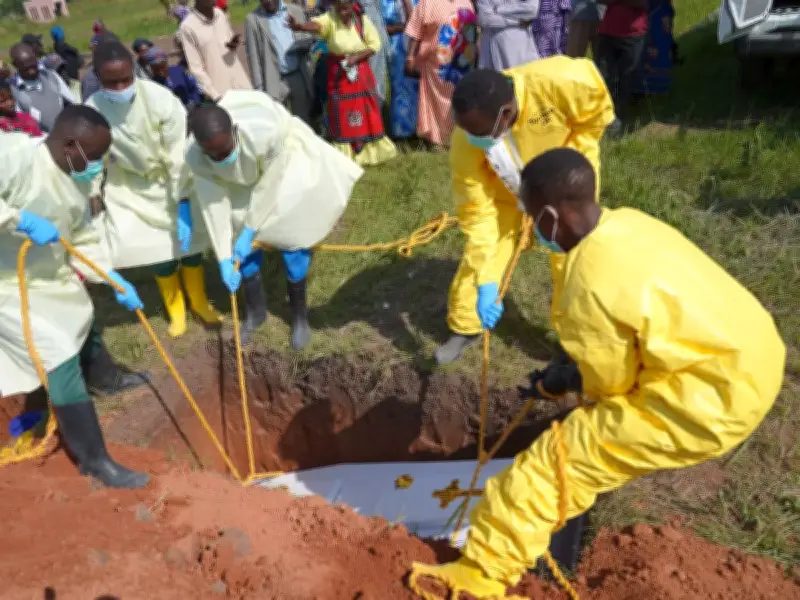
The Ebola outbreak in the Democratic Republic of the Congo (DRC) has expanded into a seventh province, with the death toll approaching 4,000, according to a new World Health Organisation (WHO) update.
In its epidemiological report published on Friday, September 25, the WHO confirmed the active outbreak, caused by the Bundibugyo strain of Ebola, is continuing to expand, with 7,890 confirmed cases and 3,799 deaths recorded as of September 23.
That puts the crude case fatality ratio at 48.1%, with 1,966 patients reported to have recovered. Since the previous Disease Outbreak News update on September 1, an additional 1,133 confirmed cases, including 532 confirmed deaths, have been reported.
National trend hides regional differences
While the overall picture shows fluctuations, the WHO warned the national trend can hide sharply different levels of spread between areas. It said: “The seven-day moving average shows a resurgence in early September followed by a decline over the most recent reporting days.
“However, the aggregate national trend conceals substantial variation in transmission intensity across affected provinces and health zones.”
The outbreak was first declared in May of this year and is being driven by the Bundibugyo virus, a strain for which there is currently no approved vaccine or specifically licensed antiviral treatment, though experimental trials are being accelerated on the ground.
Virus breaches additional border zones
In the latest expansion, the virus has breached two additional border health zones: Bulu, in Sud Ubangi province bordering the Central African Republic, and Dungu, in Haut-Uélé province bordering South Sudan.
The outbreak’s footprint now covers 63 health zones across seven provinces. The WHO update states the crisis has now become the largest and deadliest Ebola outbreak ever recorded in the DRC regardless of species, and the second-largest outbreak documented globally.
WHO continues to assess the national risk as “very high”, with neighbouring land-border countries rated “high”, citing a mix of conflict, displacement and barriers to basic outbreak control. Officials have repeatedly raised concerns that many deaths are still happening inside communities rather than isolation centres, a factor that can fuel transmission through household contact and unsafe care.
No travel restrictions advised
Despite the escalating situation, WHO advised: “Based on the currently available information, WHO advises against any restriction of travel to, or trade with, affected countries.”
The agency added: “The updated Temporary Recommendations issued to States Parties on 24 August 2026 underscore the importance of coordinated outbreak control, strengthened cross-border collaboration, and sustained surveillance and preparedness to prevent further regional spread and ensure an effective public health response.
“Rapid recognition of cases, testing and optimized supportive care can reduce mortality, and improve community perceptions and acceptance of health care within the response.”