The Department for Work and Pensions (DWP) has confirmed the strict 28-day 'linking rule' that can stop claimants from receiving their weekly £114 payments of Personal Independence Payment (PIP).
PIP is a disability benefit intended to help with everyday tasks and extra living costs if someone has a long-term physical or mental health condition or disability. The latest official figures published earlier this year showed the number of people in England and Wales claiming the main disability benefit passed four million for the first time – roughly doubling since 2019.
How PIP payments are structured
PIP is not a single flat rate but is instead divided into two parts based on how a claimant's condition affects their independence. The daily living component covers the extra costs of managing everyday tasks. The standard rate is set at £76.55 per week, while the enhanced rate provides £114.80.

The mobility component addresses the challenges of getting around. The base rate for this component is £30.20, with an increased level of £80.10. By qualifying for the enhanced daily living rate and a portion of the mobility support, eligible claimants can see their weekly total reach the £187 mark - totalling £748 per month.
Eligibility for PIP is not determined by National Insurance contributions and it's not means-tested - meaning that even if you're employed, have savings, or are receiving other benefits, you can still qualify for the payments to help you with daily living tasks.
What the 28-day linking rule means
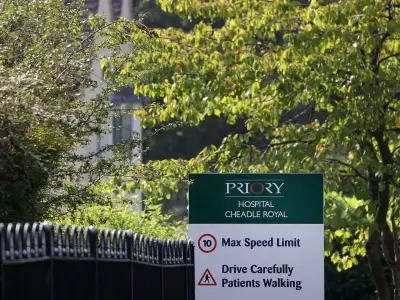
There are certain reasons that may prevent people from receiving the benefit, including the 28-day 'linking rule', the DWP outlines. The 'linking rule' means that if you stay in hospital for 28 days or more your PIP benefit will be interrupted. This is because PIP is meant to help with the extra costs of your daily living needs and getting around.
However, while you are an inpatient, the Government is already paying for your care through the NHS meeting your care needs at the hospital. So the rules treat it as double provision once a stay passes 28 days.
How payments are affected
Your PIP payment will generally continue without interruption for four weeks while you are in hospital - it is only when a stay runs past 28 days that a suspension will happen. But the award itself does not end, and your entitlement stays in place, it is just your payment that is paused.
Once you have been an inpatient for 28 days, both components of PIP are usually suspended for as long as the stay continues. When you leave hospital, your payment will usually resume from the day you are discharged.
As with any change in circumstance, you must tell the DWP if you have a hospital stay and when you leave hospital. If you do not and continue claiming PIP when you shouldn't, you could have to repay the money you are given. There are slightly different rules for people receiving PIP in a care home, in a self-funded care home, hospices and children under 18-years-old. You can access full guidance online here.