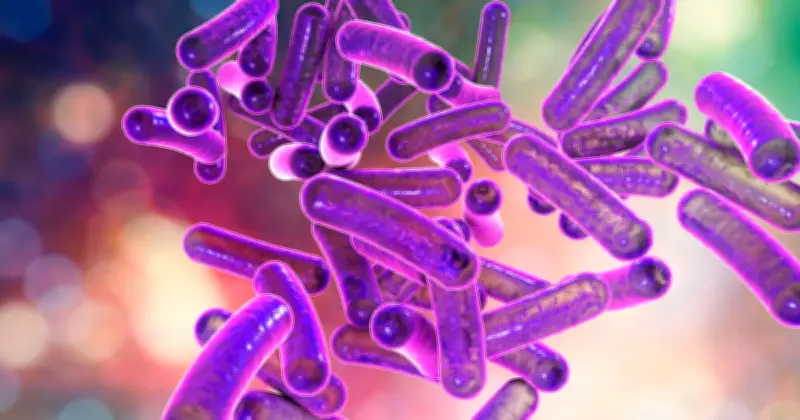
A drug-resistant infection that can be passed on during sex is causing growing concern in the US, as hundreds of thousands of people are struck down each year. Health experts have raised the alarm over Shigella, a highly contagious bacteria that causes an illness known as shigellosis.
Around 450,000 Shigella infections and 38 deaths occur in the US each year, according to figures cited by the Merck Manuals. Meanwhile, CDC data estimates there are around 242,000 antimicrobial-resistant Shigella infections annually in the country.
Rising Drug Resistance
Most sufferers can recover by replacing fluids lost through diarrhoea, but antibiotics may be needed for more serious cases. This presents an increasing challenge as some strains of the bacteria have developed resistance to medicines normally used to fight the infection.
Health officials are particularly concerned about extensively drug-resistant (XDR) Shigella, which has become increasingly prevalent over the past decade. In February, the UKHSA launched an investigation after 137 UK cases were confirmed, many linked to travel to Cape Verde.
Alarming Statistics
A federal report found XDR Shigella accounted for 8.5% of isolates with antimicrobial resistance data in 2023, compared with none between 2011 and 2015. There are currently no FDA-approved oral antimicrobial treatments for XDR Shigella infections.
Doctors warned: "The high transmission potential of XDR Shigella strains highlights the importance of susceptibility testing and timely reporting of this nationally notifiable disease for prevention." CDC surveillance also found XDR cases occurred predominantly among non-Hispanic White men.
Transmission and Risks
Shigella can spread when tiny amounts of infected faecal matter enter a person's mouth, including through contaminated food, water or surfaces. The bacteria can also be passed between people during sexual activity, particularly through contact involving the anus, putting men who have sex with men at increased risk.
Research has also highlighted the growing role of sexual transmission in the UK. A study published in July found sexually transmitting forms of Shigella grew around 15% faster each year between 2015 and 2020 than strains associated with other routes of infection.
People experiencing homelessness and those with limited access to clean water and toilet facilities are also at greater risk.
Symptoms and Prevention
Shigellosis can cause diarrhoea, including bloody diarrhoea, alongside fever, vomiting, stomach cramps and dehydration. More serious complications can include dysentery, seizures and bloodstream infections, while the disease can rarely prove fatal.
There is currently no widely available vaccine against Shigella, although researchers have been investigating potential vaccines.
People can reduce their chances of becoming infected by washing their hands thoroughly with soap and water, particularly before eating or preparing food and after using the toilet. People with diarrhoea are also advised to avoid sexual activity, with precautions recommended after symptoms have ended to reduce the risk of passing the bacteria to others.