
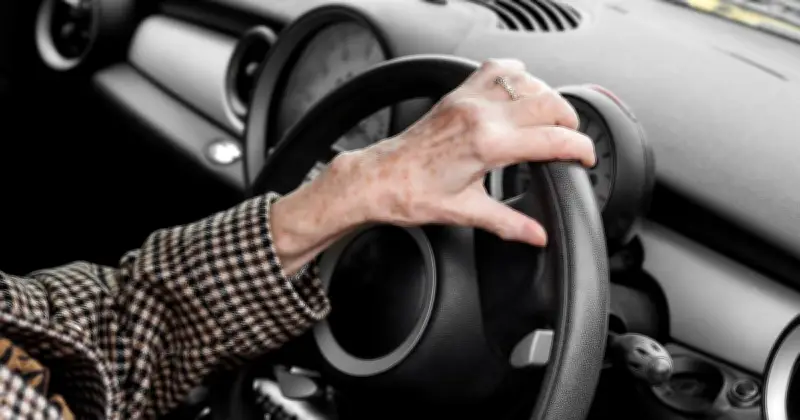
Dr Dominic Greenyer, a private GP at The Health Suite in Leicester, has identified two early warning signs of dementia that may appear before memory loss: visuospatial difficulty while driving and changes in personality.
Dr Greenyer said: 'People are so tuned in to memory loss that they can miss the signs sitting right in front of them. By the time a family connects these changes to a possible dementia diagnosis, months or even years can have gone by.'
Visuospatial difficulty
This frequently overlooked symptom centres on spatial processing. Known as visuospatial difficulty, it is associated with a form of Alzheimer's disease that tends to develop earlier than most people would anticipate.
Early indicators can include struggling to judge distance while parking or driving; difficulty making sense of visual scenes; getting lost in familiar surroundings; and finding it increasingly difficult to recognise faces.
Character changes
In frontotemporal dementia, a shift in personality can frequently manifest well before any memory difficulties emerge, yet it may simply be written off as a natural part of ageing.
Someone who was once considerate and attuned to others' emotions might begin acting impulsively; making unsuitable or uncharacteristic remarks; losing enthusiasm for activities they once enjoyed; and appearing less concerned about the impact of their behaviour on those around them.
Anxiety, irritability or mood swings can also serve as early warning signs.
Dr Greenyer said: 'These changes may be attributed to a marriage under strain, or a midlife crisis, for a long time before they seek help. It's completely understandable, but it can delay a diagnosis that would actually bring relief and answers.'
Dementia symptoms vary
Dementia is not a single condition with one definitive set of symptoms. It can impair memory, language, decision-making, behaviour or spatial awareness, and may begin with any one of these.
'Memory loss happens to be the best-known starting point, so it's the one everyone is told to watch for,' said Dr Greenyer. 'But that means anyone whose symptoms show up differently can end up waiting far longer for an accurate diagnosis.'
Dr Greenyer urges anybody who notices unexplained changes in themselves or someone close to them to consult their GP and request a dementia assessment, which is frequently associated with improved access to treatment.
He added: 'An assessment is not a diagnosis, it's simply the first step, and it can rule something out just as easily as it can confirm it.'




