
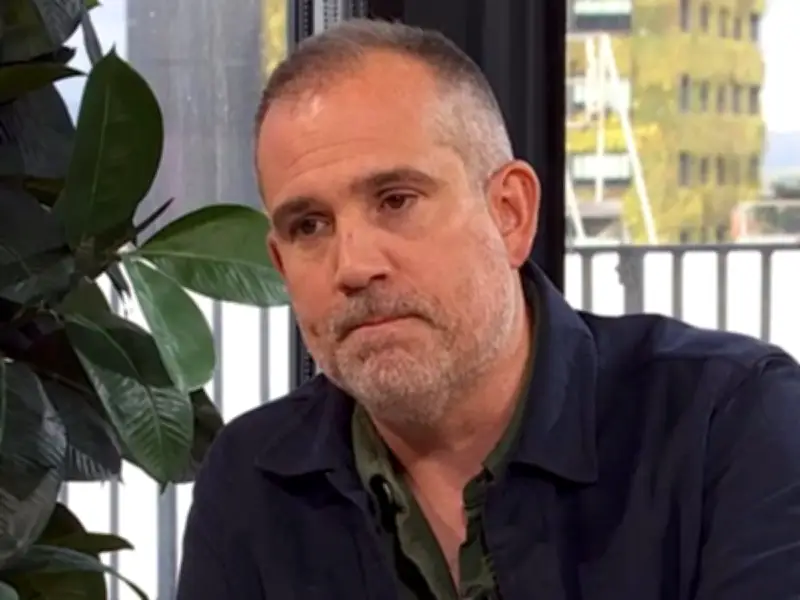
Dr Xand has issued a warning to anyone who suffers from migraines, which he says is "so important". The TV presenter and broadcaster, who practised in acute medicine in the NHS for a decade, appeared on today's (September 29) episode of BBC Morning Live to discuss the common health condition and share a word of warning with viewers.
Migraine prevalence in the UK
According to the Migraine Trust, migraines affect approximately 10 to 15 million people in the UK, which is roughly one in seven adults. The NHS describes a migraine as a complex, neurological condition that is far more than just a bad headache.
It manifests as distinct episodes known as "migraine attacks," which can cause debilitating physical symptoms and typically last anywhere from four hours to three days. Migraines can cause extreme sensitivity to light, sound, and sometimes smells, frequently forcing people to rest in a dark, quiet room.
They can also make you feel sick, be sick, or experience abdominal discomfort and diarrhoea. Some people will experience 'migraine with aura', which causes temporary neurological warning signs right before or during the headache, lasting up to an hour, such as flashing lights, zigzag lines, blind spots, or temporary vision loss.
An estimated 190,000 migraine attacks occur every day across the UK. Fewer than one in five sufferers receive a formal clinical diagnosis.
Dr Xand's warning about online hacks
With so many people across the country suffering from the condition, many people may be inclined to follow so-called 'hacks' they see online that claim to ease symptoms. However, Dr Xand has issued a warning about that.
TV host Michelle Ackerley said: "There are so many myths and remedies you can find, especially when it comes to migraines... It would be good to know if any do help." Listing three 'hacks' commonly shared online, she said: "Taking painkillers with a cup of coffee. Putting a peeled potato on your head. Soaking feet in hot water. Is there anything there that can actually help?"
What is Dr Xand's health warning?
Issuing an 'important' warning, Dr Xand said: "The central thing is do not get your health advice from social media, and that is so important." He added: "All of those seem a little bit plausible and a little bit ridiculous at the same time. But one of the three is true, and that one is the cup of coffee.
"There is some evidence that taking caffeine with painkillers seems to boost the effects of painkillers. You can see now on the high street if you're buying painkillers that some of them will come with caffeine."
"So paracetamol and ibuprofen in combination, with some caffeine, around 150ml of caffeine, so a cup of normal coffee, not super strong, will get you there. Won't work for everyone. But don't get into the potato and hot water [hacks], it can be dangerous."
What helps immediately during a migraine attack?
Taking acute medications like painkillers or triptans as soon as a migraine starts, along with resting in a dark, quiet room, helps relieve an active migraine attack, according to the NHS.
- Take medication early
- Rest in the dark
- Use compresses
- Stay hydrated
The health service recommends using over-the-counter painkillers (such as ibuprofen or paracetamol) or prescription drugs (like triptans) right when symptoms begin for the best effect. Lie down in a quiet, darkened room to reduce sensitivity to light and sound.
Apply a cold ice pack or a cool cloth to your forehead or the back of your neck, or use a warm pack if you have muscle tension. Sip water slowly, as dehydration can make a migraine worse.




