
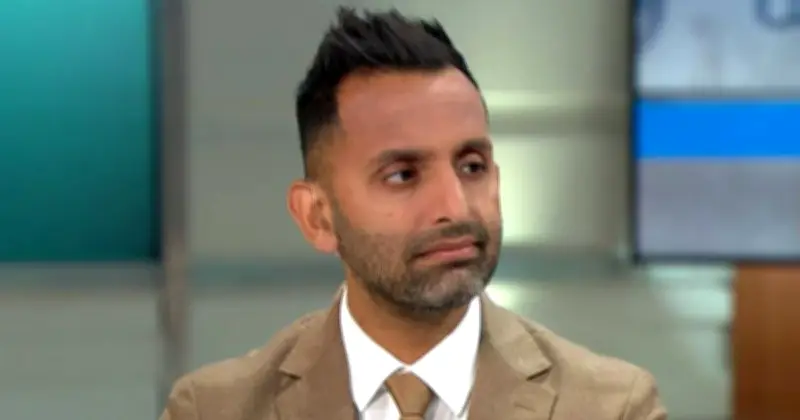
Struggling to sleep during the heatwave? TV doctor Amir Khan has offered two practical tips for a more restful night. The UK has experienced five heatwaves in 2026, with the hottest day of the year falling this week. Rare amber "extreme heat" warnings have been issued by the Met Office for London and parts of the South East, East Midlands, East of England, West Midlands, and South Yorkshire from 9am to midnight on Thursday, with possible power cuts also alerted.
Health risks of extreme heat
The extreme weather has posed health risks. Met Office forecaster Alex Burkill said: "Temperatures (in areas covered by the amber warning) could reach highs of around 36, 37, possibly 38C. Now when you get these sorts of high temperatures, well that's when we could see impacts to our infrastructure, our railway lines, our roads, they are not designed for this sort of heat. And more people are likely to be impacted by how hot it is with regards to their health."
One health concern is getting a good night's sleep. Heat directly disrupts the body's normal "cool down" process that helps you fall asleep and stay asleep. When it's hot and clammy, your skin can't dissipate heat efficiently, which can cause overheating. When you're too warm, you spend less time in deeper stages of sleep and are more likely to wake up.
Doctor's heatwave tips for better sleep
Doctor Amir Khan previously appeared on the Lorraine programme to explain what people ought to know. During his appearance, Doctor Amir said: "My two really practical top tips. If you've got a fan at home, don't just blow hot air around. Get a bowl of ice or frozen peas, [and] put it under the fan."
"As the air blows over it, it will cool the air, and you'll have a really efficient and free air conditioning system. Step number two, get a pair of socks. Put them in a plastic Ziploc bag, put them in the freezer an hour before bed, because it's really hard to sleep when it's this hot. Put those socks on before you get into bed. It will cool your body down, and you'll have a much better night's sleep tonight."
How much sleep do you need?
Sleep needs primarily depend on age, although most healthy adults aged 18 to 64 typically require 7 to 9 hours of sleep nightly. The optimal amount can vary significantly between individuals, so the most reliable indicator is whether you awaken feeling refreshed and don't rely on caffeine to remain alert.
The NHS provides guidance on this subject. Advice published on the Every Mind Matters page reads: "Sleep problems are common, and the reasons we struggle to sleep are likely to change throughout our lives. For instance, illness, work or having a baby are possible causes."
"A few sleepless nights are usually nothing to worry about, but it can become an issue if a lack of sleep starts to affect your daily life. Learn more about signs you might be sleep deprived, common symptoms of insomnia and if poor sleep hygiene or sleep habits could be the reason."
If you have any concerns about the quality of your sleep, consult your GP for further guidance. Should disrupted sleep become a frequent problem, you may require extra assistance from a healthcare professional.




