
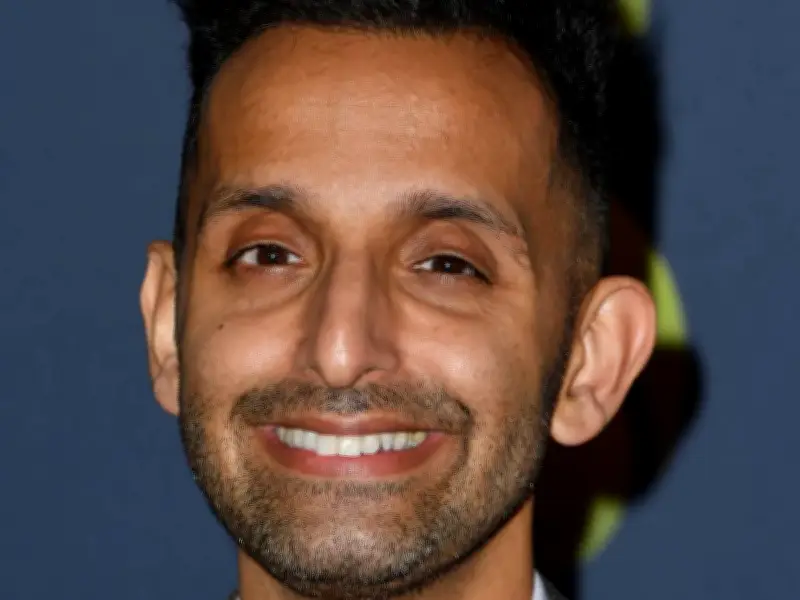
TV doctor Amir Khan has warned that millions of NHS patients are at greater risk of being misdiagnosed or turned away because of an assumption made by health workers. In an Instagram post, the Good Morning Britain and Lorraine expert said he has seen a wide range of conditions missed because a doctor has made an assumption based on the patient's appearance.
He warned that some medical professionals dismissed health problems of people who were overweight or obese as being weight-related, despite there potentially being a number of other causes. According to NHS figures, about two out of three people aged 16 or over in England are overweight or obese (66%). Of these, almost one in three (30%) – between 14 and 18 million adults – are obese.
Weight stigma as a barrier to healthcare
In his post, Dr Khan said: "When every symptom is blamed on someone’s weight, we risk missing diagnoses, delaying treatment and making people feel so judged that they avoid healthcare altogether." He added: "Yes, weight can be relevant to health - and as doctors, we shouldn’t pretend otherwise - but it should be one part of the clinical picture, not the whole picture. People living in larger bodies still deserve to have their pain investigated, their symptoms taken seriously and their healthcare delivered with dignity and without assumptions."
He continued: "Weight stigma isn't just unkind. It's a barrier to healthcare. It widens inequalities and it can cost lives. So I say to my patients, you are allowed to be heard before you lose weight. You deserve respect at every size."
Five concerns patients share
Dr Khan shared five concerning things his patients often say to him. The first: 'They blamed everything on my weight.' He said: "Patients come in with joint pain, breathlessness, irregular periods, or low mood, and walk out with one answer. You need to lose weight." He added that no questions, tests, or curiosity follow, and that health is multi-layered. "I've seen things like PCOS, autoimmune conditions, get delayed because no one looked past the BMI. It's not good medicine."
The second: 'They wouldn't refer me until I lost weight.' He said: "Time and time again, patients are told they can't be referred for fertility treatment, knee replacements, hernia repairs, and even mental health services - until they lose weight. That's not just a barrier, it's a health delay with consequences." He added: "For some, weight loss is incredibly difficult due to genetics, trauma, medication side effects, or underlying health conditions. Delaying care means people live in pain, in shame, and in fear. And it's often the care that would really help them lose weight safely."
The third: 'They didn't believe I eat healthily or exercise because of my weight.' Dr Khan said: "We've been fed the myth that thin equals healthy, fat equals lazy. But bodies are complicated. You can be metabolically healthy at a higher weight and unhealthy at a lower one." He added that assumptions about lifestyle based on appearance block meaningful support.
The fourth: 'They ignored my pain.' He said: "People living in larger bodies are regularly told their pain, especially joint and pelvic pain, is simply the result of their weight. And sometimes, yes, weight does play a role, but that's not an excuse to stop looking." He added: "I've had patients with endometriosis, joint problems, fibroids, inflammatory arthritis - all have their diagnosis delayed just because of their weight, being in a bigger body should never mean you're left to suffer."
The fifth: 'I dreaded going to the doctor, so I stopped going.' He said: "This one is hard. When people feel judged, shamed, or humiliated at the GP or hospital, they start avoiding care altogether." He added that they don't get smear tests, skip breath screenings, and don't mention the lump, bleeding, or breathlessness until it may be too late.




