
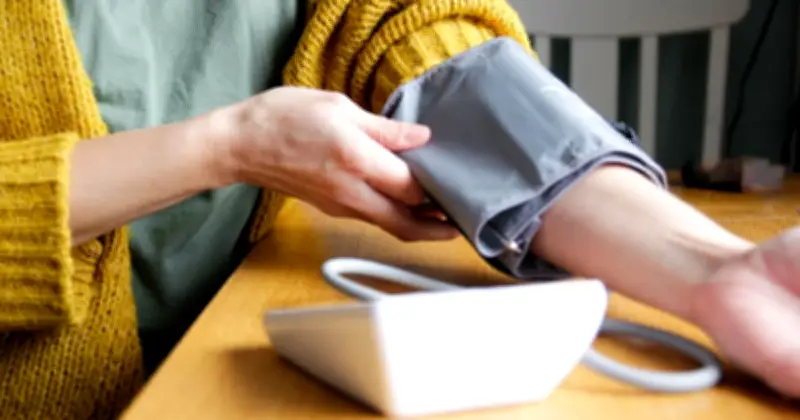
A leading doctor has warned Britons of one common habit which can have a significant impact on blood pressure. Dr Daniel Grant, medical education lead at blood testing service Medichecks, said “cutting back on evening alcohol” is one of the best changes people can make to improve their blood pressure.
Sleep and blood pressure
Dr Grant said sleep is one of the most underestimated factors in hypertension, adding a poor night’s kip can prevent blood pressure from falling by up to 20% overnight. The physician warned having an evening beverage can have a double whammy effect.
He said: "It raises blood pressure directly and also fragments sleep — it causes a rebound effect in the second half of the night, blocks REM (Rapid Eye Movement) sleep and makes you have to pee more, so it hits from several directions at once rather than one."
Diet and exercise fixate
Dr Grant, who was speaking to GB News, said people “fixate” on diet and exercise but “rarely link a bad night's sleep to their blood pressure numbers”. The physician said reducing alcohol intake in the evening is usually much easier than overhauling one’s entire diet or bedtime routine.
"Cutting out alcohol is also one of the best things you can do in general for your health optimisation," he added.
Blood pressure rhythm
Speaking to GB News, Dr Grant continued: "The body's blood pressure rhythm is set to wind down overnight. Habits like alcohol, a salty meal, or stress late in the day interfere with that wind down and then go unbuffered for seven to eight hours of sleep."
His comments come as a new study suggests people who attend their mid-life health MOT are less likely to die in the decade after their check. The NHS Health Check is a 20-minute appointment offered to people aged 40 to 74 to assess their risk of certain medical conditions, with people offered tailored advice based on their results.
The study found those who attended one or more of the checks were predicted to have a 32% reduced risk of dying after 10 years, compared with people who never attended one of the checks.




