
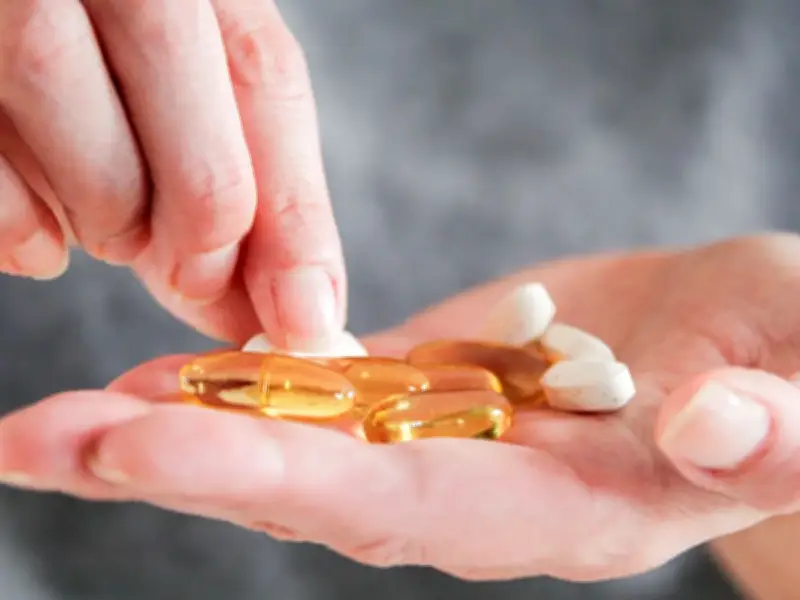
A health expert has issued a warning to anyone taking collagen, as the supplement has become one of the UK's biggest beauty and wellness trends. According to YouGov research, 10% of UK adults (roughly 5.3 million people) have used collagen since January 2025, rising to 15% of women, making it the most popular of the emerging wellness supplements measured.
Mixed Evidence from Studies
While collagen powders, drinks and gummies often promise firmer skin and fewer wrinkles, new research suggests consumers may want to think twice before spending money on them. A 2025 systematic review and meta-analysis of 23 randomised controlled trials involving 1,474 people found that collagen supplementation appeared to improve skin hydration, elasticity and wrinkles when all studies were considered. However, the researchers found no significant benefits in higher-quality studies or in studies without pharmaceutical industry funding, concluding that there is currently insufficient clinical evidence to support the use of collagen supplements to prevent or treat skin ageing.
Expert's Warning
Dr Conal Perrett, consultant dermatologist at The Devonshire Clinic, says consumers should therefore be wary of taking marketing claims at face value. He said: "Collagen is an important structural protein in the skin, but that doesn't automatically mean that consuming collagen will make your skin younger." He warned: "The evidence around oral collagen is interesting, but it remains mixed and the quality of the studies varies."
The dermatologist says, unlike the impression often given by beauty marketing, collagen consumed in a drink or powder isn't simply transported directly to the skin. "Your body doesn't simply take the collagen from a supplement and deliver it directly to your skin," explains Dr Perrett. "Some research suggests certain collagen peptides may have biological effects. But this shouldn't be interpreted as proof that every collagen product will reduce wrinkles or improve skin firmness."
Focus on Nutrition Basics
Dr Perrett says consumers shouldn't overlook the basics of nutrition when considering skin health. Vitamin C is essential for normal collagen production, while protein provides the amino acids the body needs to make proteins. Foods including peppers, citrus fruits, berries, broccoli, eggs, fish, dairy, beans, and lentils can all be part of a diet that supports healthy skin.
Dr Perrett said: "Before spending money on an expensive beauty supplement, I'd focus on the fundamentals: a varied diet, adequate protein, plenty of fruit and vegetables and good sun protection. These are far more important foundations for skin health than relying on a single supplement."
Five Ways to Support Skin's Natural Collagen
According to Dr Conal Perrett, supporting healthy collagen starts with the basics:
- Eat a varied diet: Include a variety of colourful fruit and vegetables alongside a good source of protein at your meals. "Don't look for one miracle food for your skin. A varied diet containing plenty of fruit and vegetables, alongside adequate protein, gives your body the nutrients it needs to maintain healthy skin," Dr Perrett said.
- Prioritise vitamin C: Add vitamin C-rich foods such as peppers, citrus fruits, berries, broccoli and tomatoes to your diet regularly. "Vitamin C is essential for collagen production, so it's an important nutrient when it comes to skin health. Fortunately, it's easy to get through food."
- Don't overlook protein: Include protein-rich foods such as eggs, fish, meat, dairy, beans and lentils throughout the day. "Collagen is a protein, so it's important not to overlook your overall protein intake while focusing on collagen supplements. Your body needs amino acids to produce its own proteins."
- Don't rely on supplements alone: Think of supplements as an optional addition, not a replacement for good nutrition and skincare. Dr Perrett added: "A collagen supplement isn't a shortcut to younger-looking skin. The evidence is still mixed, so I'd prioritise a balanced diet and healthy lifestyle before spending money on an expensive supplement."
- Protect your skin from UV: Use broad-spectrum sunscreen daily and take practical steps to reduce prolonged UV exposure, particularly on the face, neck and hands. "When it comes to collagen, we shouldn't just think about making more, we should also think about protecting what we already have. UV exposure is a major contributor to premature skin ageing."
'Miracle Cure' Warning
The dermatologist says that while collagen isn't necessarily a scam, it isn't a 'miracle cure' either. With collagen use continuing to grow despite seven in 10 adults saying most wellness supplements are overhyped, Dr Perrett's advice is to approach the trend with realistic expectations.
"If someone enjoys taking a collagen supplement and understands that the evidence is still developing, there may be a place for it within their routine. But I wouldn't want people to feel that they need to spend significant amounts of money on collagen to have healthy skin," Dr Perrett added. "The biggest mistake is to confuse a popular wellness trend with an established medical treatment. Collagen is an important protein in our skin, but that doesn't automatically mean that consuming collagen will reverse skin ageing."




