Dementia UK has issued a full list of guidance for carers of people with dementia as the UK experiences a cold snap, with the Met Office forecasting snow in parts of the country in the coming days.
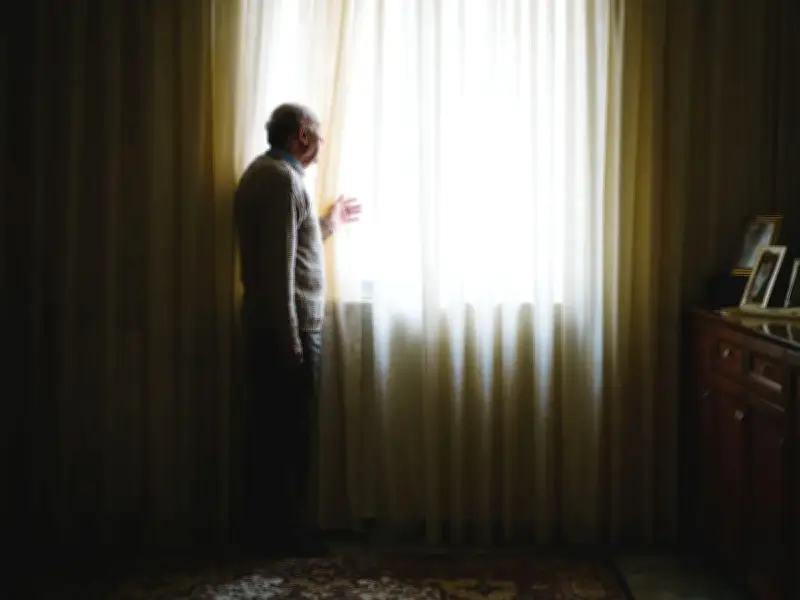
The specialist dementia nursing charity warns that people with dementia "could forget to turn on the heating and may not wear appropriate clothing, so it's important to be prepared to manage temperatures during the colder period."
Why winter poses extra challenges
According to the NHS, almost one million people in the UK have dementia. Dementia UK says one in two Brits will be affected by dementia, either by caring for someone who has it, by developing it themselves, or both.
The Alzheimer's Society also warns: "Winter can be a particularly difficult time for somebody living with dementia. The bad weather and colder temperatures can bring specific challenges, and can sometimes make symptoms temporarily worse. What's more, people with dementia aren't always able to communicate the fact they're cold - or they may not even recognise it themselves."
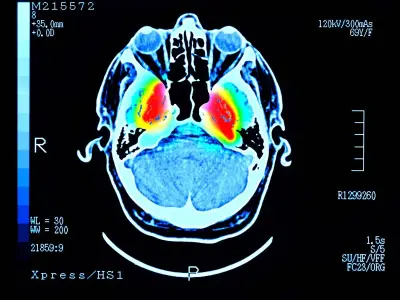
Dementia is a syndrome or group of related symptoms linked to an ongoing decline of brain functioning. The charity says that people with dementia encounter communication difficulties that may mean they are not able to explain to anyone when they feel cold.
Guidance for keeping warm and well
Dementia UK advises keeping main living areas between at least 18 and 21 degrees, or warmer if the person with dementia prefers, while the rest of the house can be less warm. For those who cannot heat all rooms, the advice is to heat the living room during the day and the bedroom just before the person goes to bed, using hot water bottles and electric blankets to maintain warm temperatures during the night.
People with dementia should be encouraged to wear lots of thin layers, with cotton, wool or fleecy fibres the best options. Wearing a scarf or hat indoors is also recommended because a lot of heat escapes through the head.
If it's cold, people with dementia can end up being cooped up indoors for long periods. Carers should think about playing games and puzzles to stimulate both the person with dementia and the carer themselves. Simple indoor exercises and movement can also help someone with dementia to keep warm and healthy, Dementia UK says.
Food, flu and vitamins
Ensuring people with dementia have regular meals and snacks across the day, as well as hot drinks, can help keep up their energy levels.
It's important to consider a flu jab for someone with dementia. If you have not already, you may be able to get one for free depending on eligibility. Getting flu is one of the main reasons people with dementia go to hospital, something that can raise distress levels and worsen their symptoms.
It can be hard to get the right amount of sunlight during the winter, which can reduce Vitamin D intake. To boost bone strength and the immune system, carers for people with dementia should consider Vitamin D supplements.
If anyone needs advice or support on living with dementia, contact Dementia UK's Admiral Nurse dementia helpline on 0800 888 6678, or email helpline@dementiauk.org. For more information on helping someone with dementia during the winter time, visit the Dementia UK web page on the subject.
Met Office outlook
The Met Office's latest weather outlook for the UK covers the period from November 27 to December 6. It says throughout that time, "the UK will remain under the competing influence of high pressure extending across the country from the northeast and Atlantic weather systems attempting to arrive from the west or southwest at times."
Western and southwestern areas of the UK are likely to see the most rain the most often, and the heaviest rain. The north and east are likely to be drier, but still with some rain.
It concludes: "This pattern means temperatures will often be below average with any milder interludes most probable in the southwest. Snow is also likely at times across parts of the UK, most likely over northern hills but there is a greater chance than normal for snow to lower levels in some places."